
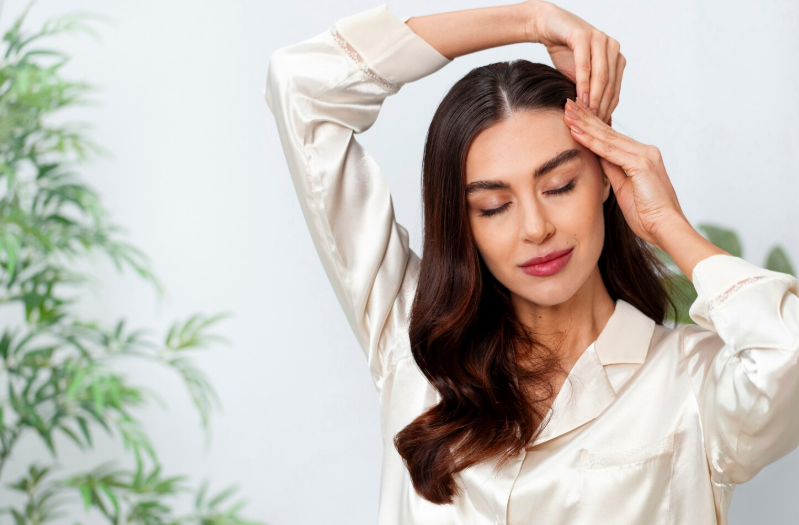
There is a moment when you realize your hair simply does not feel the way it used to. The shine has faded. The ends feel rough. Styling takes longer, frizz appears sooner, and even your favorite hairstyle no longer looks quite the same. It is easy to blame one product or search for an instant solution, but beautiful hair rarely comes from a single bottle.
Sometimes, your hair needs a reset.
That is where REHAB Your Hair becomes more than a beauty phrase. It represents a change in the way you treat your hair—from constantly styling and correcting it to protecting, nourishing, and understanding it. The goal is not to chase perfection. It is to bring back softness, movement, manageability, and the confidence that comes from hair that feels good again.
Whether your strands have been affected by coloring, heat, environmental exposure, or years of everyday styling, the right routine can help you create a healthier-looking foundation.
Your Hair Remembers Everything
Every styling decision leaves an impression. A straightener used several times a week, repeated bleaching, aggressive brushing, tight hairstyles, and constant exposure to dry air or sunlight can gradually affect the appearance and feel of your hair.
The problem is that damage is often gradual. You may not notice it after one styling session. Instead, the signs appear slowly:
- Hair becomes noticeably drier.
- Ends begin to look uneven or frayed.
- Tangles become harder to remove.
- Hair loses its natural shine.
- Frizz becomes more difficult to control.
- Strands feel rough instead of smooth.
- Breakage becomes more noticeable.
When these signs appear, adding more styling products is not always the answer. Sometimes the best beauty decision is to pause, simplify, and rebuild your routine.
Start by Listening to Your Hair

Your hair can tell you a lot about what it needs. If it feels dry immediately after washing, your routine may be too harsh. If it becomes heavy and lifeless, your products may be too rich. If the ends are constantly tangled, they may need more conditioning or trimming.
Instead of following every hair trend, pay attention to how your own hair responds.
Consider these questions:
- What does my hair feel like after washing?
- How quickly does my scalp become oily?
- Are my ends dry or split?
- How often do I use heat?
- Is my hair colored or bleached?
- Does it break when I brush it?
- Which products make it feel better?
- Which products leave it heavy or greasy?
These observations help you build a routine around your actual hair rather than someone else’s.
The Art of a Better Wash Day
Wash day should not feel like a battle between you and your hair. The objective is to cleanse the scalp effectively while treating the lengths with care.
Apply shampoo primarily where cleansing is needed most, rather than aggressively scrubbing every inch of the hair. Follow with conditioner through the lengths and ends, giving those areas extra attention if they feel dry.
Your routine can be simple:
- Use comfortably warm water instead of very hot water.
- Massage shampoo gently into the scalp.
- Avoid excessive scrubbing.
- Rinse thoroughly.
- Apply conditioner to the lengths and ends.
- Allow the conditioner enough time to work according to its instructions.
- Rinse without rough handling.
The result should be hair that feels clean without feeling stripped.
Moisture Changes the Conversation
When hair loses moisture, everything becomes more difficult. It can tangle faster, feel rougher, and become harder to style. Moisture-focused care can help improve softness and manageability.
A deep-conditioning treatment can be introduced into your routine according to your hair’s needs. For some people, once a week may be appropriate. Others may need it less often.
Look for formulas designed around conditioning and moisture rather than simply choosing products because they are heavily marketed.
Helpful ingredients can include:
- Shea butter
- Aloe vera
- Glycerin
- Plant oils
- Ceramides
- Conditioning ingredients
- Nourishing botanical extracts
The important thing is balance. Hair should feel conditioned and manageable—not coated or weighed down.
Heat Should Become a Choice

There is nothing wrong with wanting polished, styled hair. The issue is when heat becomes the default rather than an occasional tool.
Straighteners and curling irons can create beautiful results, but frequent high-temperature styling can contribute to visible dryness and damage. If you are trying to REHAB Your Hair, make heat something you choose deliberately.
Before styling, use an appropriate heat protectant. Keep the temperature as low as practical and avoid repeatedly passing the tool over the same section.
You can also experiment with alternatives:
- Air-drying
- Heatless waves
- Braided styles
- Low-tension ponytails
- Protective hairstyles
- Loose updos
A few heat-free days can give your routine a valuable change of pace.
Your Hair Needs Protection While You Sleep
Hair care should not stop when the day ends. Nighttime habits can influence how much friction and tension your hair experiences.
If your hair becomes tangled overnight, consider loosely securing it before bed. Avoid hairstyles that pull tightly at the roots.
Some people also prefer smoother pillowcase materials because they may reduce friction compared with rougher fabrics.
A simple nighttime routine might include:
- Gently detangling before bed
- Loosely securing long hair
- Avoiding tight elastics
- Applying a suitable leave-in product when needed
- Keeping hair away from unnecessary friction
The objective is simple: wake up with less tangling and less need for aggressive morning brushing.
When Your Hair Has Been Through Color
Color can be transformative. It can brighten your appearance, create a dramatic change, or become part of your signature style. But frequent coloring—particularly lightening and bleaching—can increase the need for careful maintenance.
If your hair is chemically treated, focus on preserving its condition between appointments.
That can mean:
- Increasing conditioning
- Reducing unnecessary heat
- Avoiding overlapping chemical services
- Handling hair gently
- Protecting it during styling
- Scheduling trims when needed
You do not necessarily need to give up color. You simply need to give colored hair the level of care it requires.
The Ends Tell the Story
Look closely at the ends of your hair. They often reveal how much stress your strands have experienced.
Dry, frayed, split, or uneven ends can make your entire hairstyle look less polished. While conditioning products can improve their appearance, severely split ends cannot be permanently reconstructed into completely undamaged hair.
That is why trimming remains an important part of hair maintenance.
A small trim can:
- Remove visibly damaged ends
- Improve the shape of a hairstyle
- Make hair look neater
- Reduce the appearance of rough ends
- Make styling easier
Healthy-looking length is not just about refusing to cut your hair. It is about maintaining the quality of the length you keep.
Beauty Begins With Consistency

The biggest mistake people make when trying to improve their hair is expecting immediate transformation.
Hair care works differently. The benefits of better habits become more noticeable over time.
Instead of changing everything at once, create a routine you can actually follow.
Your Simple Hair Reset
Morning:
Keep styling gentle and avoid unnecessary pulling or repeated heat.
Wash day:
Cleanse the scalp appropriately and condition the lengths.
Styling:
Use protection before heat and minimize high temperatures.
Weekly:
Use a deeper conditioning treatment when your hair needs additional moisture.
Regularly:
Inspect your ends and schedule trims when appropriate.
Long term:
Reduce unnecessary chemical and heat exposure while choosing products that suit your hair.
This approach is simple enough to maintain and flexible enough to adapt.
Do Not Forget the Bigger Picture
Your hair is part of your body, so overall well-being matters. A varied diet with adequate protein and essential nutrients supports normal hair growth and maintenance. Staying hydrated, sleeping adequately, and avoiding extreme dieting are also sensible parts of a healthy lifestyle.
Cosmetic hair products can improve how your hair looks and feels, but they cannot replace appropriate care for underlying health concerns.
If you experience sudden, unusual, or persistent hair loss, changes in hair density, or other concerning symptoms, professional medical advice is the appropriate next step.
The New Way to REHAB Your Hair
The most beautiful hair routine is not necessarily the longest one. It is the one that understands what your hair needs and gives it that care consistently.
REHAB Your Hair by slowing down where your routine has become too aggressive. Protect it from unnecessary heat. Give dry areas more conditioning. Handle wet strands gently. Maintain your ends. Be thoughtful about chemical treatments. And, most importantly, stop expecting one product to solve every problem.