
You Don’t Need a Dedicated Gym Room
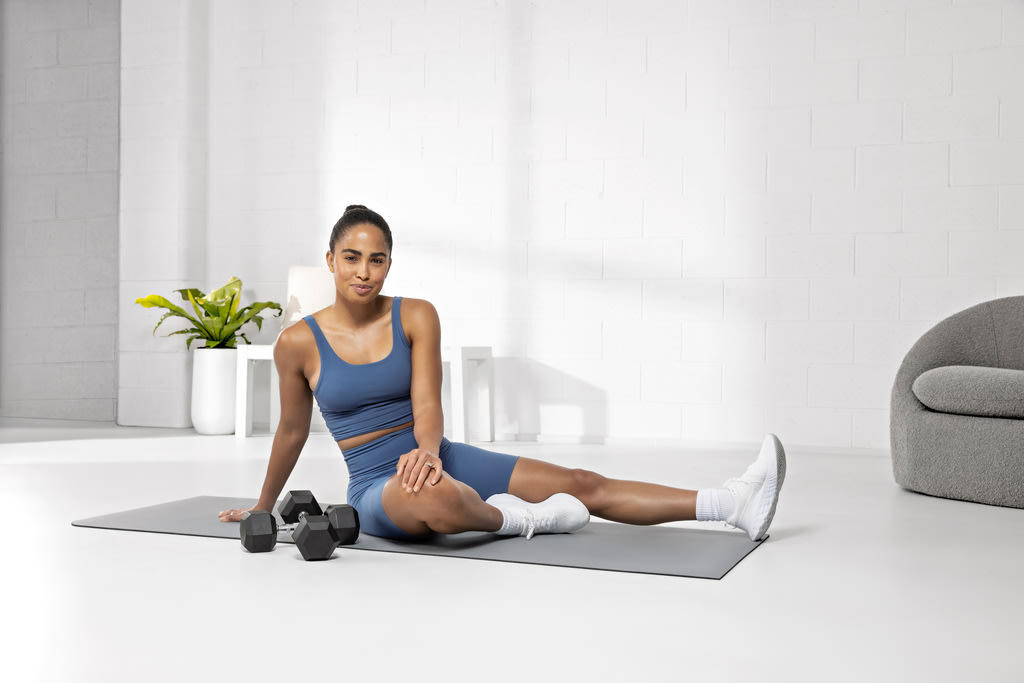
Creating a home workout space doesn’t require a spare bedroom or large garage.
With compact fitness equipment and thoughtful organisation, even a bedroom corner, living room or home office can become a practical place to exercise.
The key is choosing equipment that matches your available space, fitness goals and preferred type of training.
Start With Your Fitness Goals
Before buying equipment, decide what you actually want from your workouts.
Your goals might include:
- Walking more each day
- Improving cardiovascular fitness
- Building strength
- Staying active while working from home
- Running indoors
- Creating a consistent exercise routine
Once you know your priorities, it becomes easier to avoid filling your home with equipment you rarely use.
Consider a Walking Pad or Compact Treadmill
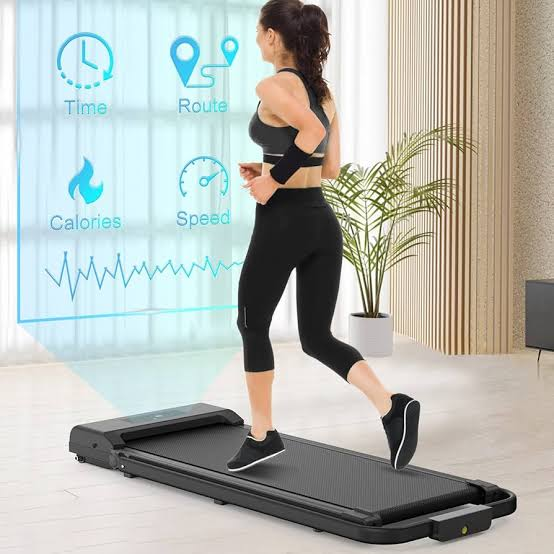
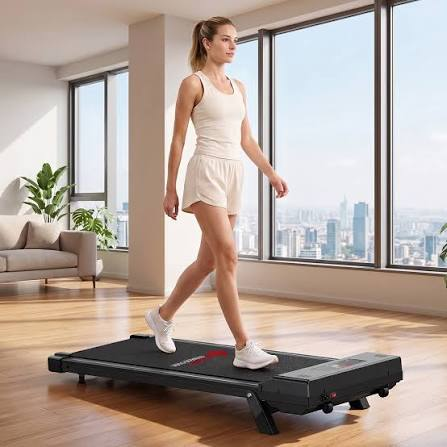
A compact treadmill can be particularly useful when floor space is limited.
Walking pads and low profile treadmills can fit into home offices and smaller rooms while allowing you to add movement to your day.
Some designs can also be stored underneath furniture when they’re not being used.
HomeFitnessCode’s current treadmill range includes models designed for walking as well as higher speed options suitable for walking and running.
Stay Active While Working From Home
One advantage of compact fitness equipment is that exercise doesn’t always need to be a separate event.
A walking treadmill can allow you to add gentle movement while:
- Reading
- Watching videos
- Taking certain calls
- Listening to podcasts
- Working at a standing desk
For example, HomeFitnessCode’s T7 treadmill offers speeds from 1-6 km/h and has a compact design intended partly for home office use.
Add Incline for More Variety
Some compact treadmills now include manual or automatic incline options.
Incline can add variety to walking and running sessions without requiring additional equipment.
HomeFitnessCode currently offers treadmill models with different incline configurations, including the Y3 with up to 12% automatic incline and speeds ranging from 1-10 km/h.
This allows users to switch between easier walking sessions and more demanding workouts.
Consider an Exercise Bike
Exercise bikes can also work well in home fitness spaces.
They’re particularly useful for people who prefer seated cardio and want an indoor workout option regardless of the weather.
When comparing bikes, consider:
- Resistance system
- Adjustability
- Footprint
- Maximum user weight
- Storage requirements
- Noise levels
Foldable models can be particularly convenient for multipurpose rooms.
Try a Rowing Machine for Full Body Training
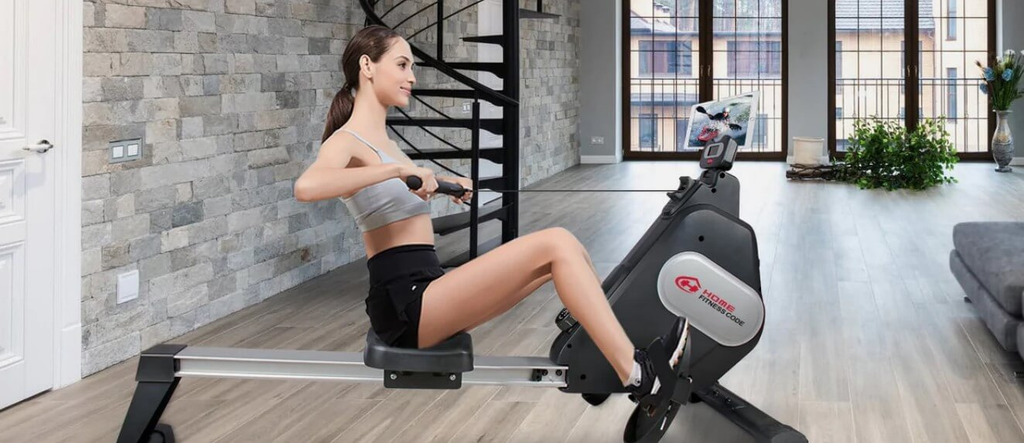
Rowing combines upper and lower body movement in one workout.
If you have enough floor space, a rowing machine can provide another alternative to treadmill or cycling workouts.
HomeFitnessCode currently carries rowing equipment, including magnetic resistance models with adjustable resistance levels.
Before purchasing, measure both the machine’s operating footprint and the space needed for storage.
Don’t Forget Strength Training
Cardio equipment often gets most of the attention when creating a home gym, but strength training can also be incorporated without requiring huge machines.
Options include:
- Dumbbells
- Weight benches
- Resistance bands
- Power towers
- Bodyweight exercises
HomeFitnessCode’s strength range currently includes weight benches, dumbbells, power towers and lat pulldown equipment.
Use Multipurpose Equipment
If space is limited, equipment that supports several exercises can provide more flexibility.
A power tower, for example, can support different bodyweight movements without requiring several individual machines.
Likewise, adjustable dumbbells or resistance bands can replace a larger collection of fixed equipment.
The goal is to get more workout variety from fewer pieces.
Measure Before You Buy
One of the most common mistakes when creating a home gym is focusing only on product photographs.
Always check:
- Product dimensions
- Workout footprint
- Storage dimensions
- Ceiling height
- Maximum user weight
- Nearby electrical outlets
Leave enough space around equipment to exercise comfortably and safely.
Create a Dedicated Workout Zone
Even when your gym shares space with another room, creating a defined workout zone can help establish a routine.
You might use:
- An exercise mat
- Small storage rack
- Equipment mat
- Basket for accessories
- Dedicated corner
Keeping equipment organised also makes it easier to start exercising without having to rearrange the entire room first.
Protect Your Flooring
Fitness equipment can be heavy and may move slightly during exercise.
An appropriate non-slip equipment mat can help protect flooring and create a more defined workout area.
HomeFitnessCode currently sells fitness equipment mats alongside treadmill maintenance accessories.
Build a Balanced Weekly Routine
Having equipment at home doesn’t mean every workout needs to be intense.
A balanced week might combine:
Walking
Use a treadmill or walking pad for everyday movement.
Cardio
Add cycling, rowing or faster treadmill sessions.
Strength
Use dumbbells, resistance exercises or bodyweight movements.
Recovery
Include easier movement and adequate rest.
Consistency is usually more practical than attempting demanding workouts every day.
Why Home Workouts Can Be Convenient
Exercising at home removes several common barriers.
There’s:
- No commute to the gym
- No waiting for equipment
- Greater scheduling flexibility
- More privacy
- Easy access throughout the day
This can make shorter workouts easier to fit around work, family and other responsibilities.
HomeFitnessCode Equipment Options
HomeFitnessCode specialises in home fitness equipment designed around accessible indoor exercise.
Its current UK range includes:
- Compact treadmills
- Folding treadmills
- Exercise bikes
- Rowing machines
- Elliptical machines
- Steppers
- Vibration plates
- Trampolines
- Weight benches
- Dumbbells
- Power towers
Several of its treadmill models are specifically positioned for beginners, lower impact workouts and people working from home.
Start Small
You don’t need to purchase an entire home gym immediately.
A simple setup could begin with:
- A compact treadmill or exercise bike
- An exercise mat
- Dumbbells or resistance equipment
- Space for bodyweight exercises
Once you’ve established a consistent routine, you can decide whether additional equipment would genuinely improve your workouts.
Final Thoughts
A small home can still provide enough space for an effective fitness routine.
The key is choosing compact equipment that supports your actual goals rather than trying to recreate a commercial gym.
A treadmill or exercise bike can provide cardio, while dumbbells and bodyweight equipment add strength training. Choosing foldable, compact or multipurpose designs can make everything easier to integrate into everyday living.
With a range covering compact treadmills, cardio machines and strength equipment, HomeFitnessCode offers several options for creating a practical workout setup without requiring a dedicated home gym room.