
When the nights get long and cold, garden birds have less time to find food and need more energy to stay warm. A feeder that is kept full and clean can make a real difference to the robins, tits, finches and blackbirds that visit your garden. The question is what to put in it, and how to keep the feeding area safe.
This guide draws on the advice and product information published by Garden Wildlife Direct, a UK online bird food supplier. We read the pages in their archived versions from April to June 2026, so the statements below are the brand’s own, and details such as prices, pack sizes and delivery terms can change. You can check the current range on the Garden Wildlife Direct website.
Browse Garden Wildlife Direct Bird Food
In this guide
Start With the Feeding Basics
The brand’s homepage sets out a short list of habits that it says reflect what the evidence recommends. It is a good place to begin, because food only helps if the feeding spot is healthy.
- Use hanging tube feeders without trays that catch old seed.
- Clean feeders thoroughly, ideally once a week.
- Move feeders to a new spot after every clean.
- Use high quality, low-waste food that birds actually eat.
- Put out only what birds eat in a day or two.
- Hang feeders from bird tables rather than feeding on the table itself.
- Change bird bath water daily and clean the bath weekly.
- Stop feeding for two weeks if you see signs of disease.
None of these steps costs much, but together they cut the risk of spreading illness between birds that share a feeder.
Seed Mixes: A Simple All-Rounder
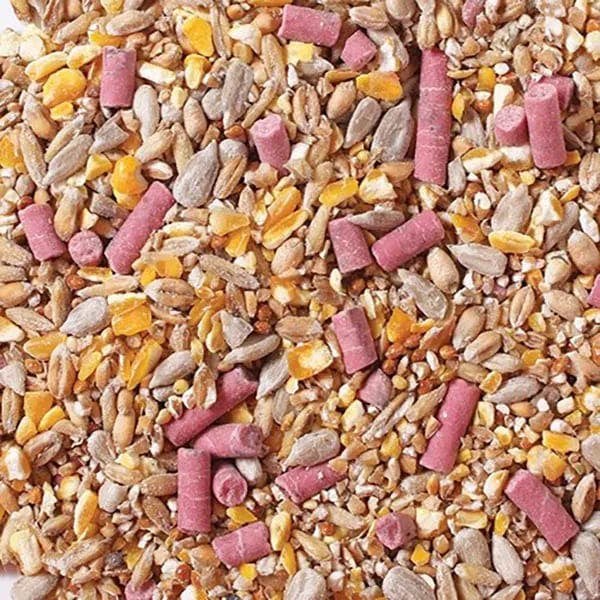
A mixed seed is the usual starting point. Garden Wildlife Direct says its wild bird seed is mixed from natural ingredients, is suitable for seed feeders, bird tables or the ground, and that every product is checked for quality. The homepage also describes its finest blends as high quality, low waste and free of fillers.
One example is the Robin and Blackbird No Mess Mix, which sits in the brand’s menu alongside a Gourmet Zero Grow Wild Bird Mix and sunflower mixes with granules and pellets. The no-mess and zero-grow names point to a practical advantage: fewer husks and fewer sprouting seeds under the feeder, which means less tidying up and less spoiled food on the ground.
Sunflower Hearts for Small Birds
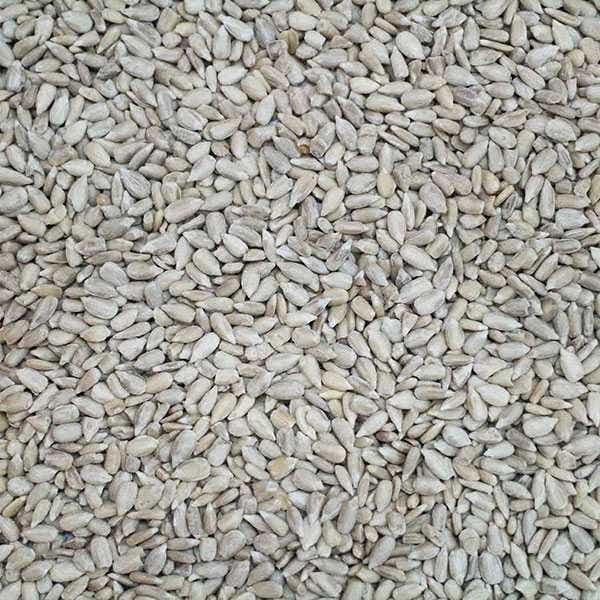
Sunflower hearts are the husk-free centre of the seed. According to the brand, they are favoured by tits and goldfinches, and chaffinches, sparrows, robins and starlings also eat them. Because the husks are removed, they are less likely to germinate and leave less debris around the feeder.
The brand also sells sunflower chips, which it says are easier for smaller birds to hold and swallow, and black sunflower seeds. Its category page lists premium and jumbo kernels in paper bags, mixes of sunflower chips with peanut granules and suet pellets, and bundles that combine sunflower hearts with peanuts or fat balls. Large sacks are offered for people who feed through the whole season.
Dried Mealworms for Extra Protein
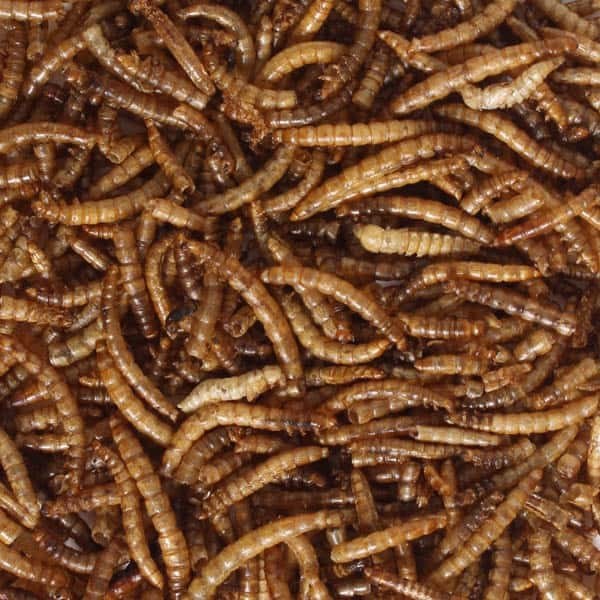
Dried mealworms are described on the homepage as high protein, suitable for adult birds and hungry fledglings all year. They suit robins, blackbirds and wrens, and they can be scattered on a tray, mixed into other foods or offered in a mesh feeder. Because they are dried, they store easily, which helps when the weather is too bad to go to the shops.
Fat Balls: Winter Fuel With a Few Rules
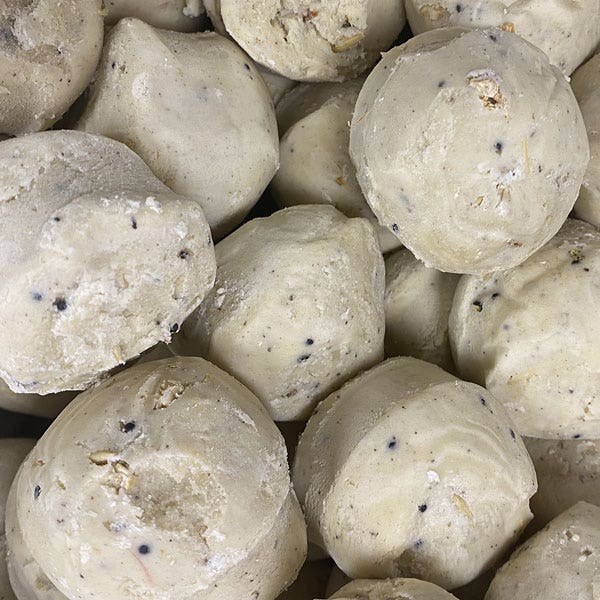
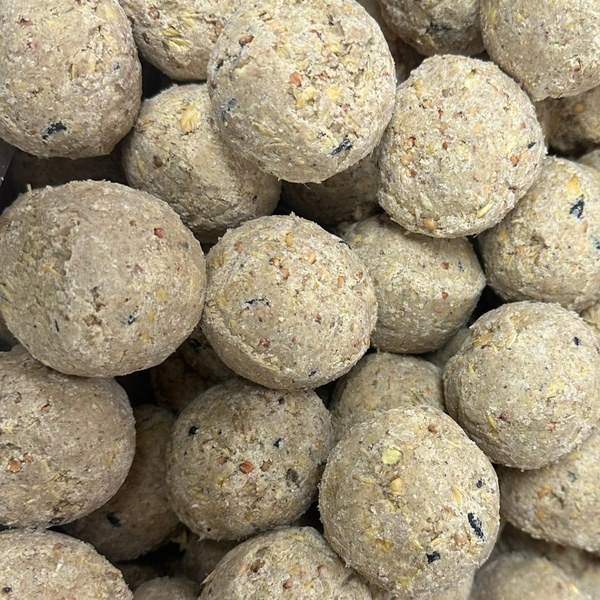
Fat balls are the classic winter food. Garden Wildlife Direct says they are high in energy, can be hung from a feeder or bird table, and attract species such as tits, chaffinches, dunnocks, nuthatches, starlings and woodpeckers. The brand lists ingredients such as beef suet, cereals, wheat flour, seeds and dried mealworms, and sells everyday balls as well as premium, sunflower heart, insect and mealworm, berry and hot pepper varieties. Packs range from 20 to 150 balls according to the page.
The brand’s answers to common fat ball questions are useful if you are new to them:
- Can birds eat them all year? Yes, but the brand does not recommend them in warm months because the fat can go rancid quickly. It suggests using them in autumn, winter and early spring.
- How long do they last? Once outside in winter, the brand says they last around a week before they start to go rancid.
- Do they attract rats? Like any food left outside, they can. The brand advises tidying the feeding area regularly and keeping fat balls in a hard-to-reach spot.
- Are they good for birds? The brand says yes, as part of a varied diet, and notes that some contain fruit and insects.
Keep Feeders Clean
Because the weekly clean is the habit people skip most often, it helps to have the right kit to hand. The brand’s hygiene category lists brushes and cleaning kits, disinfectant cleaners such as Safe4 concentrate and Vetark Ark-Klens, a CitroSan bird bath sanitiser and a water drinker feeder. Whatever product you use, the process is the same: empty the feeder, scrub it, rinse it well and let it dry before refilling.
If you see birds that look fluffed up, sluggish or unwell, follow the brand’s advice and stop feeding for two weeks, then restart with clean feeders in a new spot.
Quick Comparison of the Main Foods
| Food | Best for | Notes from the brand |
|---|---|---|
| Seed mixes | General garden birds | Natural ingredients; no-mess and zero-grow blends available |
| Sunflower hearts | Tits, finches, robins, sparrows | Husk-free, less likely to germinate |
| Dried mealworms | Robins, blackbirds, fledglings | High protein, all year |
| Fat balls | Tits, nuthatches, woodpeckers | Best in cold months; replace after about a week |
Planning Your Order
If you feed regularly, buying a few staples together is simpler than topping up every week. The brand offers bundles that pair sunflower hearts with peanuts, an all year round mix or fat balls, and a subscription-style option that it says lets you auto-order on your own schedule. It also runs a reward points scheme for logged-in customers. Free delivery thresholds were shown at different levels on different pages we saw, so check the current terms at checkout.
A sensible starter set for winter is one mixed seed, a bag of sunflower hearts, a small tub of mealworms and a pack of fat balls, along with a cleaning kit. Add more feeders only when you can keep up with the weekly clean.
You can see the full list of foods, feeders and accessories on the Garden Wildlife Direct shop and read the brand’s advice on safer feeding before you buy.
Shop Wild Bird Food at Garden Wildlife Direct
Information was taken from archived copies of the Garden Wildlife Direct website dated April to June 2026. Prices, ranges and offers change, and statements about products are made by the brand. Bird foods are not fit for human consumption. Some links in this article are affiliate links, which means we may earn a commission at no extra cost to you.
