

Good Nutrition Starts With the Individual Pet
Walk into a pet shop and you’ll find an enormous selection of food.
There are recipes for puppies, kittens, adults and seniors, alongside grain-free, sensitive, hypoallergenic and weight management options.
So how do you know which one is right?
Rather than choosing based on packaging or flavour alone, start with your pet’s age, size, activity level and individual nutritional requirements.
Start With Their Life Stage
Nutritional requirements can change throughout an animal’s life.
A growing puppy or kitten doesn’t necessarily need the same diet as an adult or senior pet.
Puppies and Kittens
Growing animals require food formulated to support their particular stage of development.
Adults
Once fully grown, pets generally move to adult formulas designed around maintenance and everyday activity.
Seniors
Older pets may benefit from recipes specifically designed around their changing nutritional requirements.
Josera organises both its dog and cat ranges by life stage, making it easier to narrow down suitable options.
Consider Your Dog’s Size
Dogs vary enormously in size.
A Chihuahua and a German Shepherd clearly aren’t identical when it comes to their everyday feeding requirements.
Some foods are designed specifically for smaller dogs, while others suit medium or larger breeds.
Kibble size can also influence how convenient a dry food is for different dogs to eat.
Think About Activity Level
Your pet’s lifestyle matters too.
A highly active dog that spends significant time exercising may have different energy requirements from a dog with a much calmer routine.
Consider:
- Daily walks
- Training
- Age
- Body condition
- Breed
- General activity level
Feeding quantities should also be adjusted according to the individual animal and the manufacturer’s guidance.
Dry Food or Wet Food?
This is one of the most common decisions pet owners face.
The good news is that it doesn’t necessarily have to be one or the other.
Dry Food
Dry food is convenient to store, portion and serve.
Wet Food
Wet food contains substantially more moisture and can be particularly appealing to some pets.
Mixed Feeding
Some owners combine wet and dry food as part of an appropriately balanced feeding routine.
Josera currently offers both wet and dry options for dogs and cats.
Pay Attention to Your Cat’s Hydration
Cats can sometimes be less enthusiastic drinkers.
Because wet food contains considerably more water than dry food, it can contribute additional fluid through meals.
Fresh drinking water should still always be available.
Some cats may also prefer drinking from fountains or from bowls positioned away from their food.
Understand Food Sensitivities
Some pets have particular dietary sensitivities.
Signs of a problem can have many possible causes, so persistent digestive, skin or other symptoms should be discussed with a veterinarian rather than diagnosed through food changes alone.
Depending on professional advice and the individual pet, owners may explore foods labelled around
characteristics such as:
- Sensitive digestion
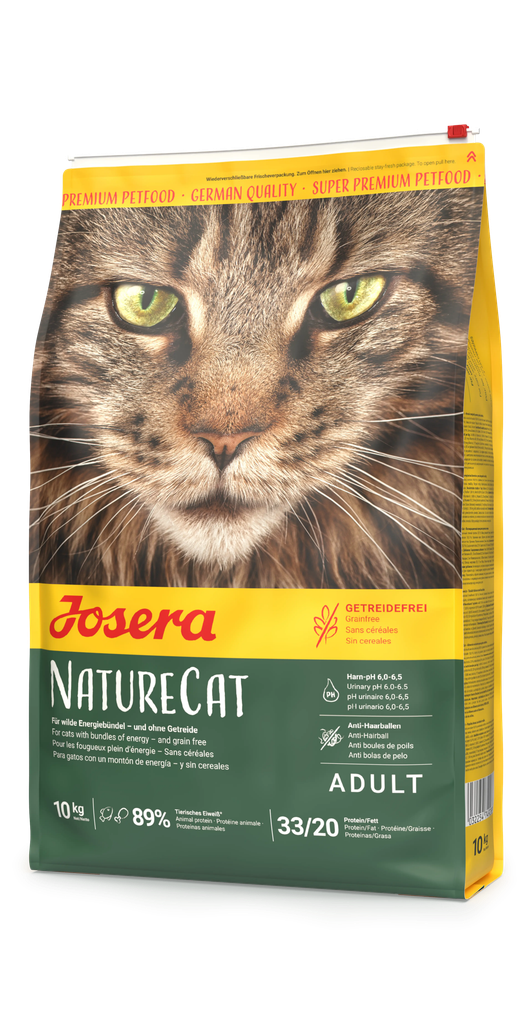
- Grain-free
- Gluten-free
- Hypoallergenic
- Reduced fat
- Specific protein sources
Josera’s current dog range includes filters for several of these nutritional characteristics.
Don’t Assume Grain-Free Is Automatically Better
Grain-free pet food has become popular, but that doesn’t mean every healthy dog or cat automatically requires it.
Choose food according to your pet’s actual nutritional needs rather than whichever label happens to be trending.
If you’re considering a significant dietary change because of suspected allergies or intolerances, speak with your veterinarian first.
Look at the Complete Diet
A pet food should provide appropriate nutrition for the animal and life stage it is intended for.
Don’t judge quality based on one fashionable ingredient alone.
Consider the complete formulation, feeding instructions and whether the product is designed as a complete food or complementary product.
Josera says its food and incoming raw materials are checked in its own accredited laboratory, with its quality approach also emphasising no genetically modified ingredients, no artificial flavourings and no animal testing.
Introduce New Food Gradually
Suddenly replacing your pet’s familiar food can sometimes lead to digestive upset.
When changing diets, a gradual transition is commonly used unless your veterinarian advises otherwise.
You can progressively increase the proportion of the new food while reducing the previous food.
Always follow relevant manufacturer instructions and veterinary advice for your individual pet.
Treats Still Count
Treats may seem small, but they still contribute to overall food intake.
They’re useful for:
- Training
- Rewards
- Enrichment
- Strengthening routines
But they shouldn’t unintentionally become a major part of the daily diet.
Josera’s current range includes treats alongside its main dry and wet food categories for dogs and cats.
Monitor Your Pet Over Time
Finding suitable food isn’t necessarily the end of the process.
Continue paying attention to your pet.
Consider changes in:
- Body condition
- Appetite
- Energy
- Digestion
- Coat appearance
- Stool consistency
If something changes significantly or persistently, contact your veterinarian.
Feeding Senior Pets
Ageing pets deserve particular attention because their needs can change gradually.
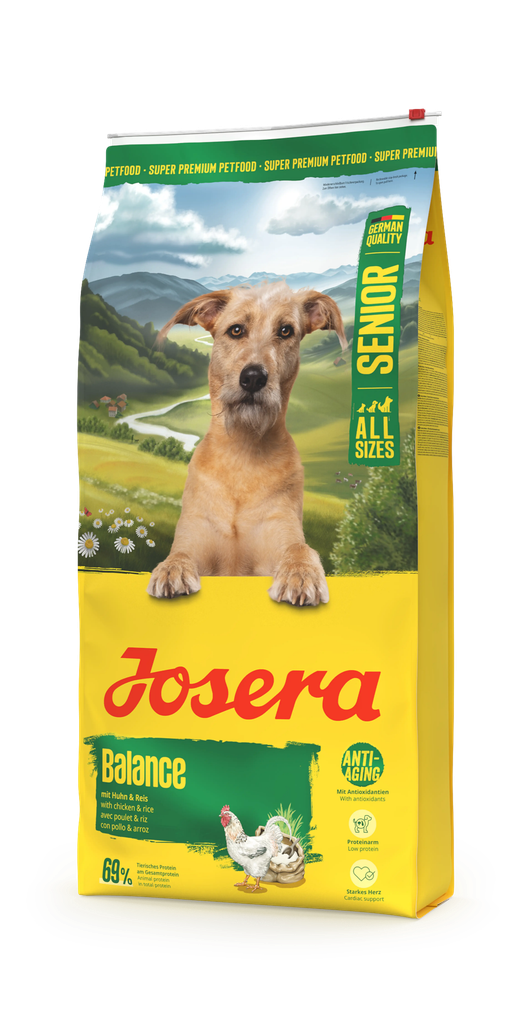
Josera offers dedicated senior options within both its dog and cat ranges. Its current dog selection, for example, includes Senior Salmon & Rice, described as a reduced fat dry food for older dogs.
Rather than changing food purely because your pet reaches a certain birthday, consider overall health, activity and professional veterinary guidance.
Josera’s Approach to Pet Nutrition
Josera is a German pet food company with more than 80 years of experience in animal nutrition.
Its range covers:
- Dog food
- Cat food
- Horse feed
- Dry food
- Wet food
- Treats
- Specialist nutritional options
- Pet accessories
The company says its nutrition specialists and veterinarians are involved in maintaining its food quality, while products and incoming raw materials undergo checks in its accredited laboratory.
Find Food That Fits Your Pet
Josera’s dog range currently includes options organised around characteristics such as grain free,
gluten free, high meat content, sensitive digestion, reduced fat and hypoallergenic recipes.
Its cat range similarly includes options for kittens, adults and seniors, alongside categories for sterilised cats, sensitive digestion, skin and coat, grain free feeding and other needs.
This allows owners to narrow their choices according to the characteristics most relevant to their pet.
Don’t Forget Professional Advice
Online guides can help you understand the available options, but they can’t diagnose your animal.
Speak with a veterinarian if your pet experiences persistent:
- Digestive problems
- Weight changes
- Loss of appetite
- Skin problems
- Excessive thirst
- Unusual behaviour
Animals with diagnosed medical conditions may require specialised diets recommended or supervised by a veterinary professional.

Final Thoughts
Choosing pet food isn’t simply about finding the most expensive bag or the most fashionable ingredient list.
The right choice depends on the individual animal.
Start with your dog or cat’s age, activity level, body condition and dietary needs. Then consider whether dry, wet or mixed feeding best fits their routine.
With dedicated options for dogs and cats across different life stages and nutritional requirements, Josera provides a broad selection for owners looking to match everyday feeding more closely to their pet.
The best food isn’t necessarily the same for every animal it’s the one that appropriately meets the needs of yours.