

A traditional scale gives you one number: your weight.
But that number does not tell the whole story.
Your body is made up of muscle, fat, water, bone and other tissues. Understanding these different measurements can provide more context about changes happening over time.
This is where body composition tracking can be useful.
What Is Body Composition?
Body composition describes the different components that make up your body.
Common measurements can include:
Body weight
Body fat percentage
Muscle mass
Body water
Visceral fat estimates
Bone related measurements
Instead of focusing entirely on total weight, these measurements provide additional information that can help you observe broader trends.
Look at Trends Instead of Individual Measurements
Body measurements naturally fluctuate.
Hydration, meals, exercise, sleep and time of day can all influence readings.
This means one measurement should not automatically determine whether you are making progress.
Instead, look at changes across several weeks or months.
A trend can provide more useful context than comparing today’s number with yesterday’s.
Measure Under Similar Conditions
Consistency can make your data easier to interpret.
Try taking measurements under similar circumstances each time.
For example, you might choose the same general time of day and follow a consistent routine before measuring.
This does not eliminate every variation, but it can make comparisons more meaningful.
Understand Muscle Mass
Muscle mass is another measurement commonly included in body composition analysis.
Tracking it over time may provide additional context alongside body weight and other measurements.
If you are following an exercise routine, looking at longer term muscle trends may be more informative than focusing only on changes in total weight.
Understand Body Fat Percentage
Body fat percentage estimates how much of your total body weight is made up of fat.
Like other body composition measurements, it should be viewed as part of a broader picture rather than treated as a single definition of health.
Home body composition devices provide estimates, so the most useful approach is often monitoring consistent trends rather than becoming focused on one individual reading.
Pay Attention to Hydration
Water makes up a significant part of the human body.
Hydration changes can influence body weight and body composition readings.
This is another reason why daily numbers may move even when your longer term habits remain consistent.
Looking at several measurements together can provide more context.
Connect Data With Your Daily Habits
Health tracking becomes more useful when you connect the numbers with your routine.
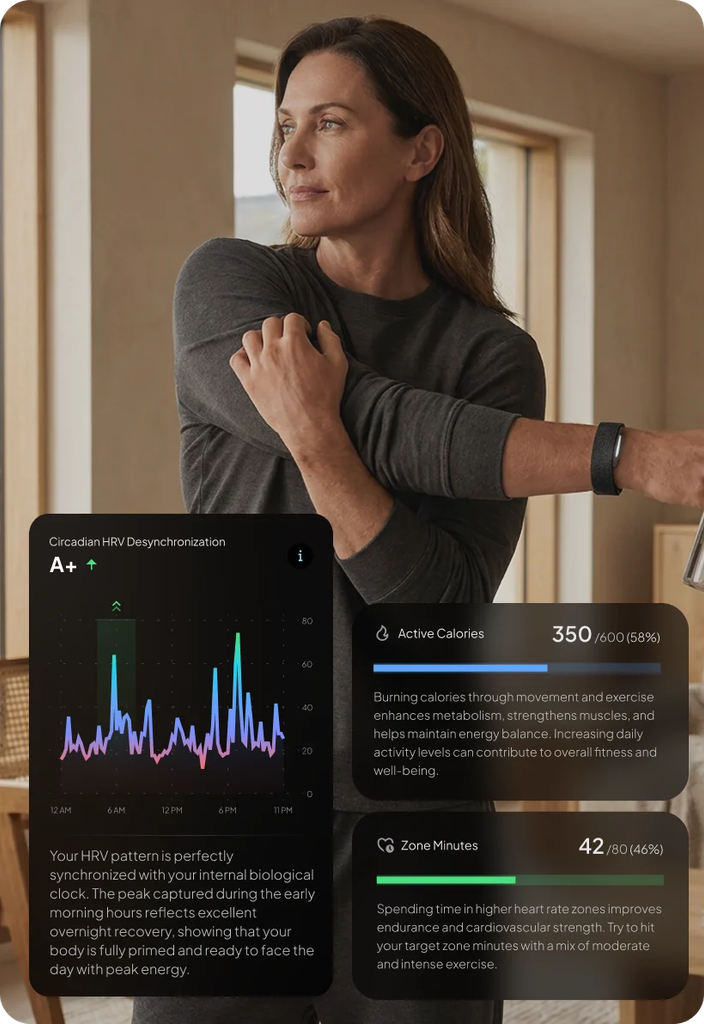
Think about:
Sleep
Physical activity
Hydration
Nutrition
Stress
Recovery
Rather than simply collecting measurements, consider whether you can identify patterns between your everyday habits and longer term trends.
How Hume Health Tracks Body Composition
The Hume Pod uses bioelectrical impedance analysis with sensors in both the platform and handheld component.
According to Hume Health, the device measures multiple areas of the body and provides 45 body composition measurements.
Results sync with the Hume Health app, where users can follow changes and trends over time.
The app can also connect with other health data sources, including Apple Health and Google Health Connect.
Don’t Let Data Become the Goal
More information is not automatically better if it creates unnecessary pressure.
Health tracking should provide useful context.
You do not need to react to every small change.
Instead, use the information to understand patterns and support conversations with qualified health professionals when appropriate.
Consumer health devices should not replace professional medical assessment or diagnosis.
Final Thoughts
Body composition tracking can provide more context than body weight alone.
The key is knowing how to interpret the information.
Focus on trends rather than individual readings, measure under similar conditions and consider how factors such as hydration, sleep, activity and nutrition may influence your data.
Hume Health provides tools for tracking multiple body composition measurements and viewing changes through its app.
Ultimately, the most useful data is not the number you see today.
It is the pattern you understand over time.