
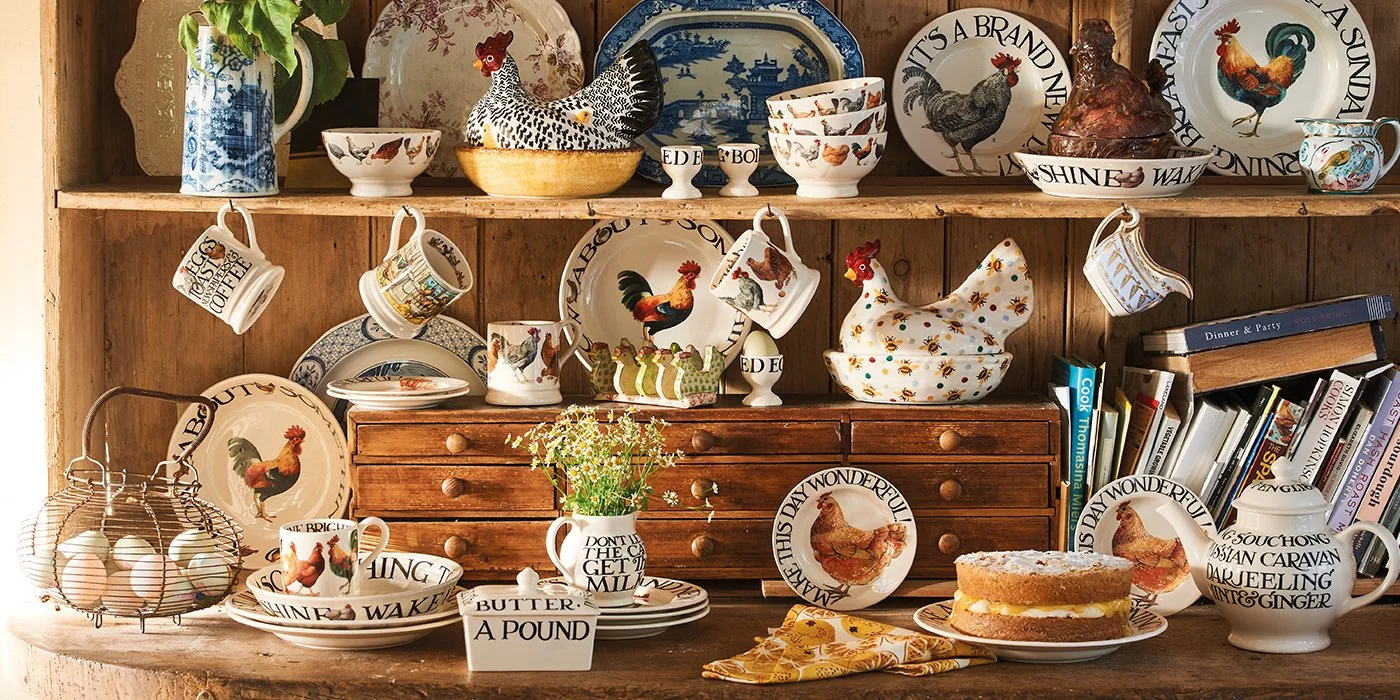
A Collection Can Begin With Just One Mug
You don’t need a cabinet filled with rare ceramics to call yourself a pottery collector.
Sometimes it begins much more simply.
You find a mug you love.
Then another pattern catches your eye.
Eventually you add a plate.
A bowl follows.
Before long, opening your kitchen cupboard becomes one of those small everyday pleasures.
The best pottery collections aren’t necessarily the biggest or most expensive.
They’re personal.
They reflect your taste, memories and everyday routines.
If you’ve been thinking about starting your own collection, here’s how to build one thoughtfully.
Start With Something You’ll Actually Use
Collecting doesn’t have to mean putting everything behind glass.
Functional pottery can become part of everyday life.
Start with something you regularly use, such as:
- Mug
- Bowl
- Side plate
- Dinner plate
- Jug
- Teapot
A mug is particularly easy because it doesn’t require you to replace your existing dinnerware.
Choose one.
Use it.
See how you feel about the shape and design.
Then build from there.
Mugs Are an Easy Starting Point
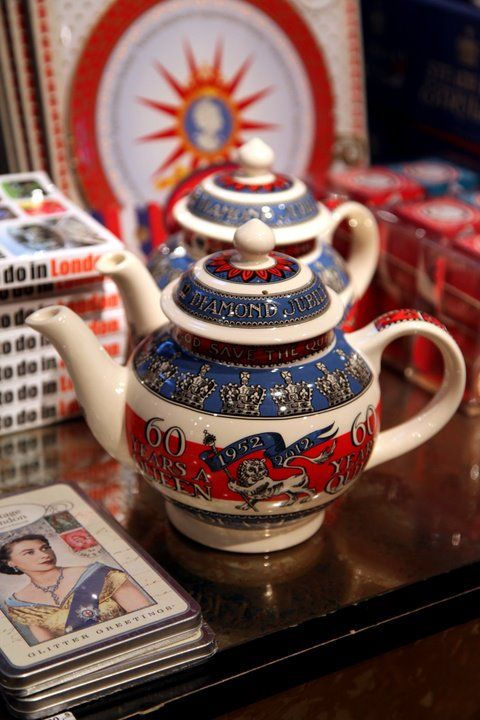
Mugs are one of the simplest categories to collect because they combine personality with practicality.
You can choose different designs without worrying whether every piece matches.
One morning you might reach for florals.
Another day you choose polka dots.
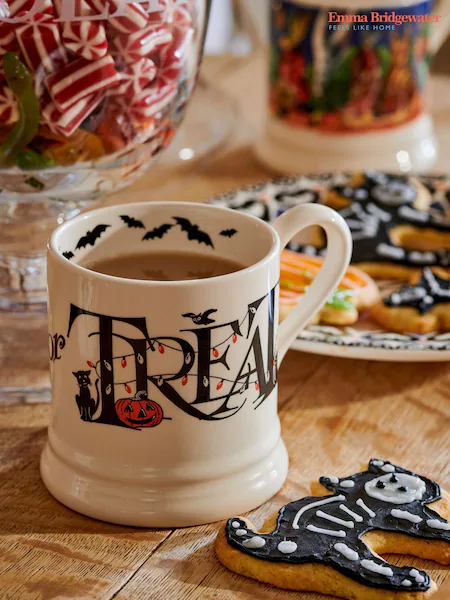
At Christmas, you bring out seasonal designs.
Different mugs can become associated with different moods, people and occasions.
Choose the Right Mug Shape
Pattern isn’t the only consideration.
Think about what you actually drink.
A smaller mug may be ideal for shorter drinks.
A traditional medium-sized mug can work well for everyday tea or coffee.
A larger mug gives you more room for longer drinks.
A cocoa-style mug may be perfect for hot chocolate and cosy evenings.
The shape you enjoy using matters just as much as the decoration.
Pick a Theme
Your collection doesn’t need a theme, but having one can make getting started easier.
You might collect according to:
Pattern
Choose one design and gradually add different pieces.
Colour
Build around blues, reds, greens or another favourite palette.
Subject
Animals, flowers, birds, cities or seasonal motifs.
Shape
Collect the same mug shape in different designs.
Occasion
Create different mini collections for Christmas, birthdays or other celebrations.
A theme provides direction without creating strict rules.
Start With a Classic Pattern
If you’re unsure where to begin, established designs can provide a strong foundation.
Classic patterns tend to work particularly well because they can often be mixed with seasonal and newer designs.
Polka dots, hearts, stars and typography-inspired pottery can all provide recognisable anchors within a larger collection.
Start with something you genuinely enjoy rather than choosing a pattern purely because other people collect it.
Mix Patterns Confidently
Your cupboard doesn’t need to look like a matching dinnerware set.
Mixing patterns can make a collection much more interesting.
The easiest approach is to find one connecting element.
That could be:
Colour.
Shape.
Theme.
Scale.
For example, several completely different floral designs can still feel related.
Likewise, different patterns containing similar blues may sit beautifully together.
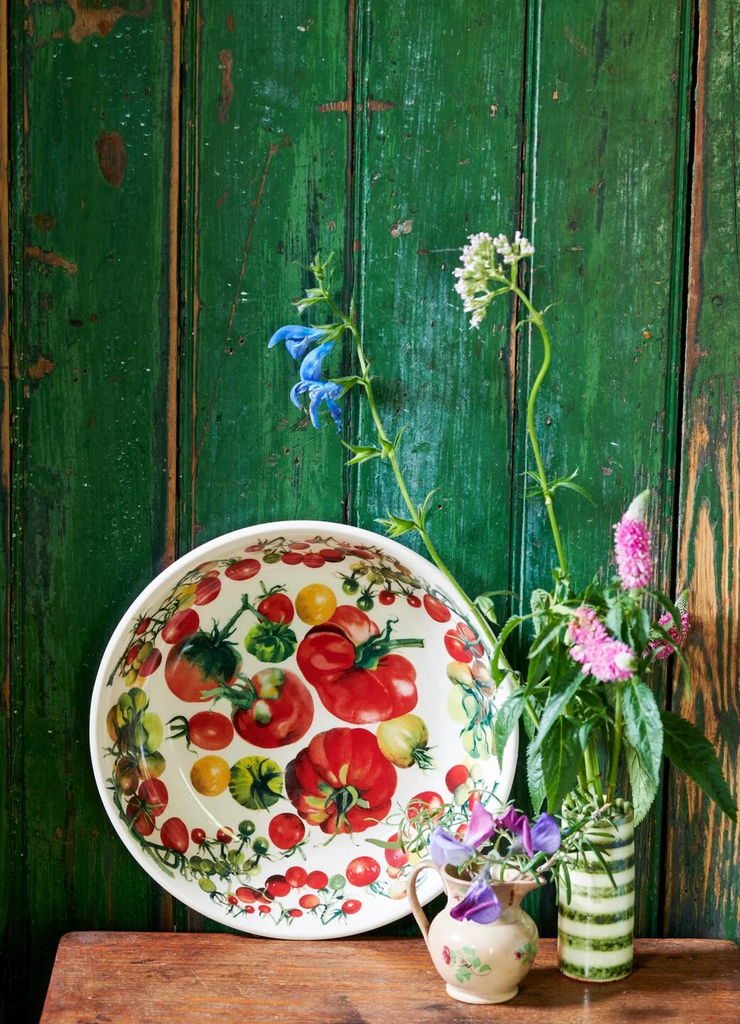
Don’t Be Afraid of Colour
Pottery is an easy way to introduce colour into a kitchen without making permanent changes.
You don’t need to paint your cabinets pink because you love pink.
Bring the colour in through:
Mugs.
Plates.
Bowls.
Jugs.
Serving pieces.
If your kitchen is relatively neutral, colourful pottery can become part of the decoration.
Add Pieces Slowly
A collection becomes more meaningful when it grows gradually.
You don’t need to buy an entire range at once.
Maybe you add one piece on your birthday.
Another comes home from a trip.
Someone gives you one at Christmas.
You find a seasonal design you love.
Over time, individual pieces develop memories.
That can be more enjoyable than purchasing twenty matching items in one afternoon.
Expand Beyond Mugs
Once you’ve established your mug collection, consider adding other useful pieces.
Plates
Side plates are an easy introduction because they’re useful for breakfast, snacks and desserts.
Bowls
Useful for cereal, desserts, snacks and serving.
Jugs
Practical for drinks, but they can also hold flowers.
Teapots
A natural addition for tea drinkers.
Serving Pieces
Larger platters and bowls can bring your collection onto the table when entertaining.
You don’t need every shape in every pattern.
Choose pieces according to how you live.
Build an Everyday Collection
Some pottery should simply be used.
Create a small group of pieces that you’re happy to reach for every day.
You might have:
Four favourite mugs.
Four bowls.
Several side plates.
One serving bowl.
One jug.
That alone can make everyday breakfasts and coffee breaks feel more personal.
Create a Seasonal Collection
Seasonal pottery can add personality without requiring major changes to your home.
Instead of replacing all your decor, switch a few functional pieces.
For autumn, you might bring out:
Warm colours.
Leaves.
Pumpkins.
Woodland motifs.
For winter:
Stars.
Christmas patterns.
Deep reds and greens.
For spring:
Flowers.
Pastels.
Garden-inspired designs.
For summer:
Fruit.
Bright florals.
Outdoor-inspired motifs.
When the season ends, store them safely until next year.
Collect Around Family Traditions
Pottery can become part of family rituals.
Maybe everyone has their own mug.
Perhaps there’s a special plate used for birthdays.
You might bring out the same teapot every Christmas morning.
Small traditions often become more meaningful over time.
You don’t need to plan them deliberately.
Sometimes they simply develop because the same pieces appear during memorable moments.
Add Personalised Pieces
Personalisation can make a pottery collection particularly meaningful.
A name.
Initials.
Date.
Short message.
Family phrase.
These details turn an everyday object into something connected to a person or event.
Personalised pottery can work particularly well for:
Birthdays.
Weddings.
Anniversaries.
New homes.
New babies.
Mother’s Day.
Father’s Day.
Christmas.
A personalised piece can sit alongside patterned pottery without requiring the entire collection to be customised.
Mark Important Milestones
Collections can become visual timelines.
Imagine having:
A mug from your first home.
A personalised piece from your wedding.
A plate celebrating a new baby.
A mug from an anniversary.
Seasonal pieces collected during family Christmases.
Individually, they’re practical objects.
Together, they tell a story.
Use Pottery as a Gift Tradition
If someone already enjoys pottery, adding to their collection can make future gifting easier.
Instead of searching for something completely different every year, you can add:
A new pattern.
Different shape.
Seasonal piece.
Personalised mug.
Serving accessory.
This creates a gift tradition that becomes more meaningful over time.
Keep a Wish List
Once you start collecting, it’s easy to want everything.
A wish list helps you stay selective.
Write down pieces that genuinely interest you.
Wait.
If you still want them later, they may be worth adding.
This can prevent your collection from becoming clutter rather than something you enjoy.
Look for Limited and Seasonal Designs Carefully
Limited and seasonal patterns can add variety to a collection.
But don’t buy something solely because you’re worried it may disappear.
Ask yourself:
Would I still love this if it weren’t limited?
Will I use it?
Does it work with my collection?
Do I have somewhere to store it?
Collecting should be enjoyable, not stressful.
Display Your Favourite Pieces
Beautiful pottery doesn’t always need to stay hidden behind cupboard doors.
Depending on your kitchen, you might use:
- Open shelves
- Glass-front cabinets
- Mug racks
- Plate racks
- Dressers
- Display cabinets
Rotate the pieces you display so the space doesn’t become overcrowded.
Style Open Shelving
If you’re displaying pottery on shelves, vary the shapes.
Instead of creating a row of identical mugs, try combining:
Stacked plates.
Bowls.
Mugs.
Jug.
Small decorative piece.
Leave some open space between groups.
The collection will feel intentional rather than cluttered.
Let Everyday Pieces Become Decor
A jug filled with flowers can decorate a kitchen table.
Colourful mugs can sit on an open shelf.
Bowls can hold fruit.
A serving plate can lean against the back of a shelf.
Functional pottery can contribute to the room even when it isn’t actively being used.
Store Pottery Carefully
Collections need practical storage.
Avoid forcing too many pieces into one cupboard.
Stack similar shapes carefully.
Consider protective layers between particularly decorative plates when appropriate.
Keep frequently used pieces easy to reach.
Seasonal items can be stored higher or farther away until they’re needed.
Follow the Care Instructions
Pottery care can vary.
Always check the individual manufacturer’s instructions before using pieces in:
Dishwashers.
Microwaves.
Ovens.
Freezers.
Don’t assume that because one ceramic item is microwave-safe, another one will be too.
Following the recommended care instructions can help preserve the appearance of pieces you want to enjoy for years.
Use the Collection
This may be the most important rule.
Don’t become so worried about preserving your pottery that you never enjoy it.
Drink your morning coffee from the mug you love.
Serve cake on the beautiful plate.
Put flowers in the jug.
Bring the special bowls out when friends visit.
Functional pottery was made to become part of everyday life.
Emma Bridgewater and Collectible Pottery
Emma Bridgewater has been creating distinctive pottery since 1985.
Its pottery is made from English earthenware and the brand’s current pottery collections are handcrafted and individually decorated in Stoke-on-Trent.
That hand-decoration means the pottery retains some of the character that makes collecting ceramics interesting in the first place.
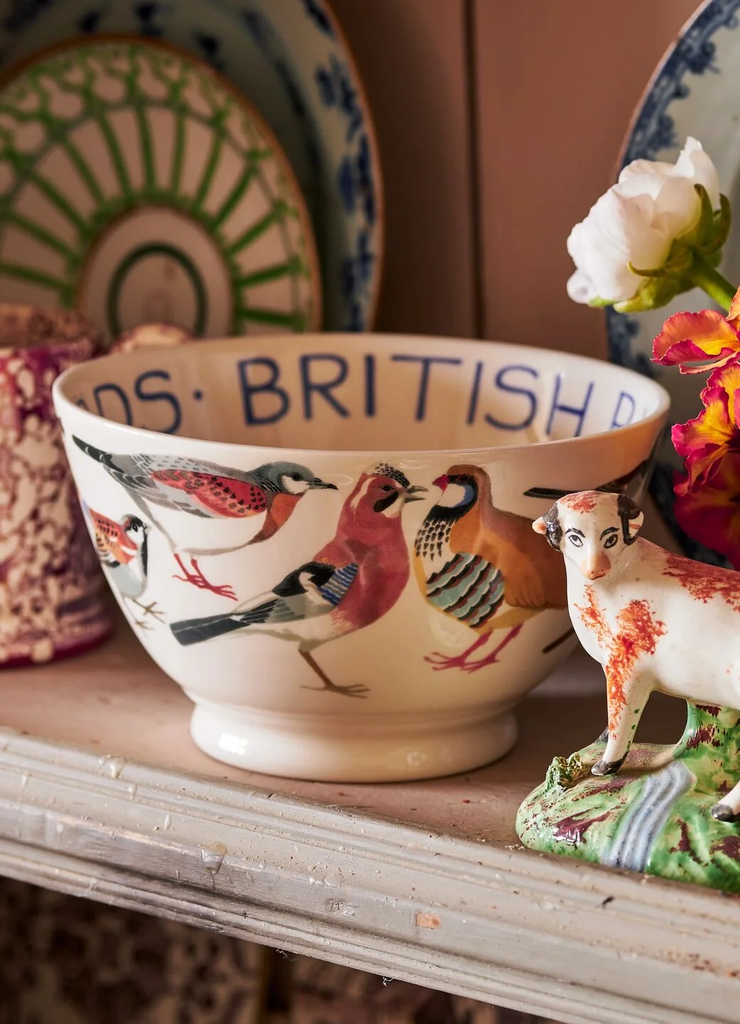
The brand’s catalogue extends far beyond mugs and currently includes:
- Plates
- Bowls
- Teapots
- Jugs
- Serving pieces
- Tableware
- Decorative ceramics
- Personalised pottery
This makes it possible to begin with one familiar shape and gradually build a wider collection.
Start With the Half Pint Mug
One of Emma Bridgewater’s most recognisable formats is the Half Pint Mug.
The current Half Pint Mug is made from English earthenware and has a capacity of approximately 300ml.
Because the same shape appears across many different patterns, it naturally lends itself to collecting.
You can keep the shape consistent while changing the design.
That creates variety without making the collection feel completely unrelated.
Explore the Classic Patterns
Emma Bridgewater currently highlights several long-running designs within its Classic Patterns collection.
These include:
Toast & Marmalade
Typography-led pottery with the distinctive Toast aesthetic.
Pink Hearts
A colourful heart pattern that works naturally for gifting and everyday use.
Polka Dot
One of the brand’s instantly recognisable colourful patterns.
Blue Star
A simple blue-and-white design that can coordinate easily with other tableware.
Classic designs can create the foundation of a collection while newer patterns provide variety.
Mix Classics With New Designs
You don’t have to choose between traditional and seasonal collections.
Try combining them.
A classic Polka Dot mug might sit beside a floral seasonal piece.
Blue Star can provide a simple anchor among more detailed patterns.
Typography designs can contrast with illustrations.
Mixing different periods of a brand’s design history can make a collection feel much more personal.
Consider Personalisation
Emma Bridgewater currently offers personalised mugs in several sizes and patterns.
Names, initials or messages can be hand-decorated onto selected pottery.
That can be particularly useful when you want to add a piece marking an important person or occasion within a larger collection.
Instead of every item being personalised, one or two special pieces can become focal points.
A Simple Starter Collection
If you’re beginning from zero, you don’t need much.
Try:
- Two everyday mugs in patterns you love.
- Two side plates.
- Two bowls.
- One jug.
- One serving plate.
- One personalised or commemorative piece.
Use them.
Then pay attention to which shapes you reach for most often.
Those are the categories worth expanding.
Your Pottery Collection Checklist
Before adding another piece, ask:
- Do I genuinely love the design?
- Will I use it?
- Does it complement something I already own?
- Do I have somewhere to store it?
- Is the shape useful to me?
- Am I buying it because I love it or because I feel pressure to complete a set?
- Does it mark a meaningful occasion?
- Will I enjoy seeing it several years from now?
You don’t need eight yes answers.
But asking the questions can keep your collection intentional.
Final Thoughts
Starting a pottery collection doesn’t require expertise.
Begin with one piece you love.
Use it.
Add another.
Mix patterns.
Experiment with colour.
Introduce plates, bowls and serving pieces gradually.
Bring in personalised or seasonal pottery when something feels meaningful.
Most importantly, allow the collection to grow with your life.
Emma Bridgewater’s combination of consistent shapes, classic patterns, seasonal designs and personalised pottery makes this kind of gradual collecting particularly easy.
A Polka Dot mug may sit beside a Blue Star plate.
A personalised piece might mark a birthday.
A Christmas mug may return every December.
Years later, the collection becomes more than a cupboard full of ceramics.
It becomes a record of everyday moments.