
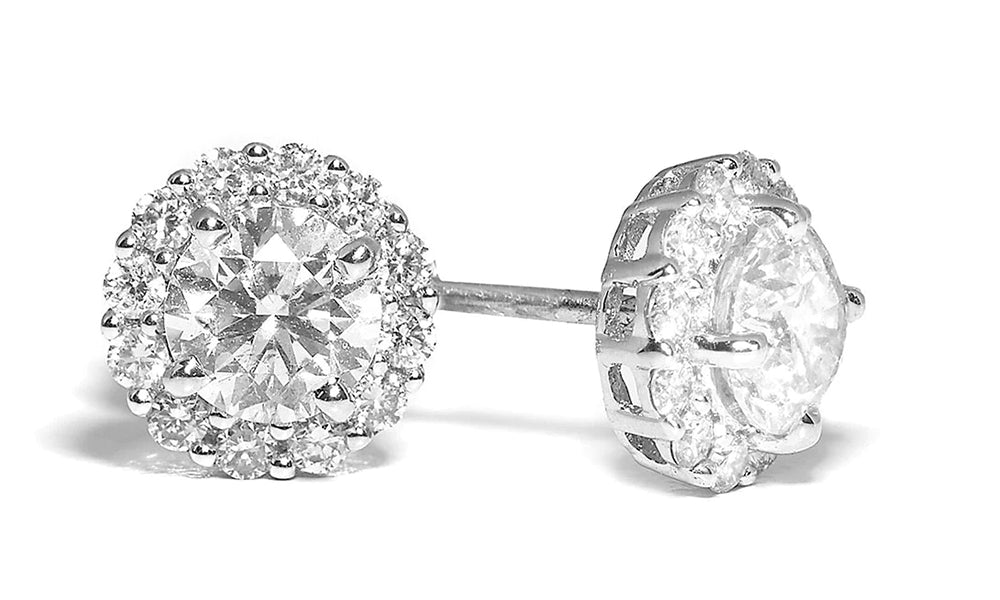
Jewellery Can Be More Than an Accessory
Some jewellery is chosen simply because it looks beautiful.
Other pieces mean something.
A birthstone can represent the month you were born, someone you love, a child, a partner or an important memory.
That’s what makes birthstone jewellery such an easy way to add personal meaning to an everyday accessory.
From delicate rings and necklaces to earrings and bracelets, birthstones can be incorporated into almost any jewellery style.
And because each month has its own traditional stone, choosing one can feel much more personal than simply selecting a colour.
Here’s a simple guide to birthstone jewellery and how to choose a piece you’ll actually want to wear.
What Is Birthstone Jewellery?
Birthstone jewellery features a gemstone, crystal or coloured stone associated with a particular birth month.
There are twelve primary months, each traditionally connected with one or more stones.
Some months have alternative stones depending on tradition, culture and modern jewellery conventions.
Today, birthstone jewellery isn’t limited to precious natural gemstones.
Designs may use genuine gemstones, laboratory created stones or coloured crystals inspired by traditional birthstone colours.
That makes the style available across many different budgets.
January – Garnet
January is traditionally associated with garnet.
The stone is best known for its rich red colouring.
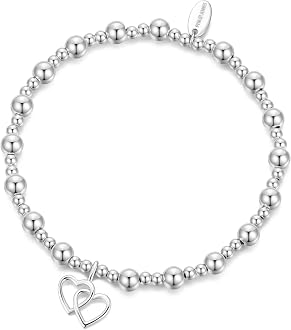
Garnet inspired jewellery works beautifully with both warm and cool metals, making it relatively easy to style.
Consider:
- Birthstone ring
- Small pendant
- Stud earrings
- Delicate bracelet
The deep colour can also work particularly well during autumn and winter.
February – Amethyst
February’s traditional birthstone is amethyst.
Its distinctive purple colour can range from pale lavender to deeper violet tones.
Amethyst inspired jewellery can add colour without feeling overwhelming.
Silver creates a cooler look, while gold can create a warmer contrast against purple.
If you’re buying for someone who regularly wears neutral clothing, an amethyst style accessory can provide a subtle pop of colour.
March – Aquamarine
March is associated with aquamarine.
The stone is traditionally recognised for its light blue to blue green colouring.
Its softer shade works naturally with delicate jewellery.
Think:
Small earrings.
A fine pendant.
A simple adjustable ring.
A delicate bracelet.
Aquamarine inspired jewellery can be particularly easy to combine with silver toned pieces.
April – Diamond
April is traditionally associated with diamond.
You don’t necessarily need to purchase a natural diamond to enjoy the visual style associated with this birthstone.
Many accessible jewellery designs use clear crystals or cubic zirconia to create a bright, sparkling look.
This makes April inspired jewellery especially versatile.
Clear stones can work with almost any outfit and combine easily with other jewellery.
May – Emerald
May’s traditional birthstone is emerald.
Its rich green colour makes it one of the most recognisable birthstone looks.
Green jewellery can be surprisingly versatile.
Pair it with:
Black.
White.
Cream.
Navy.
Gold.
Other jewel tones.
An emerald inspired ring or pair of earrings can add noticeable colour while still feeling elegant.
June – Alexandrite or Pearl
June is unusual because several stones are traditionally associated with the month, including alexandrite and pearl.
That gives June birthdays more styling options.
Pearls offer a timeless, classic look.
Alexandrite inspired designs can introduce more colour.
Choose according to the person’s jewellery style rather than feeling restricted to one option.
July – Ruby
July’s traditional birthstone is ruby.
Known for its red colouring, ruby inspired jewellery naturally creates a statement.
If a large red stone feels too dramatic, choose a smaller design.
A tiny red crystal in a ring or pair of earrings can provide the birthstone connection without dominating the entire outfit.
August – Peridot
August is associated with peridot.
Its fresh green shade is typically lighter and brighter than emerald.
That makes it particularly attractive for spring and summer styling.
Peridot inspired jewellery can work beautifully with:
Gold tones.
White outfits.
Florals.
Neutral dresses.
Casual everyday looks.
It’s an easy way to introduce colour without choosing a particularly dark gemstone.
September – Sapphire
September’s traditional birthstone is sapphire.
Deep blue is the colour most commonly associated with sapphire jewellery.
It creates a sophisticated contrast against both silver and gold tones.
A sapphire inspired piece can work beautifully for evening outfits, but smaller designs can easily become everyday jewellery.
October – Tourmaline or Opal
October is commonly associated with opal and tourmaline.
Pink tourmaline inspired designs offer a softer, romantic colour.
Opal inspired jewellery can provide a more iridescent effect.
For someone who loves feminine colours, pink birthstone jewellery can be particularly easy to wear.
November – Topaz or Citrine
November is traditionally associated with topaz and citrine.
Warm yellow, golden and amber inspired colours work beautifully with gold-toned jewellery.
These shades can be particularly attractive during autumn.
A small warm coloured stone can also provide contrast when worn with neutral outfits.
December – Blue Topaz, Turquoise or Tanzanite
December has several traditionally associated stones, including blue topaz, turquoise and tanzanite.
Blue birthstone jewellery can range from pale icy shades to stronger turquoise or blue violet tones.
That variety gives December birthdays plenty of options.
Choose the colour that best suits the wearer’s existing jewellery and wardrobe.
How to Choose Birthstone Jewellery
Knowing the birth month is only the beginning.
You also need to decide what type of jewellery the person will actually wear.
Start With Their Everyday Jewellery
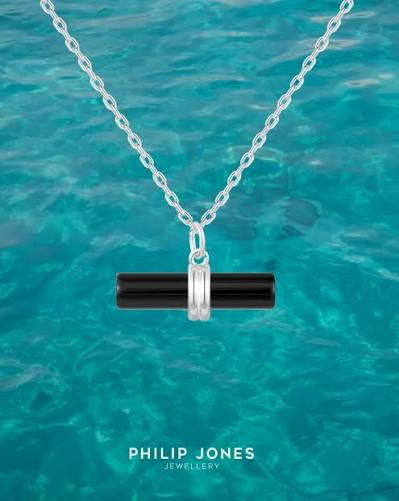
Look at what they already wear.
Do they always wear earrings?
Do they have several necklaces?
Do they stack bracelets?
Do they love rings?
The best gift isn’t necessarily the most impressive looking piece.
It’s the one they’ll use.
If someone never wears bracelets, buying them a birthstone bracelet simply because you like it may not be the best choice.
Match the jewellery to their habits.
Birthstone Rings
Rings are an easy way to keep a birthstone visible.
They can be worn alone or combined with other rings.
Adjustable styles can also make gifting easier because exact sizing may be less complicated.
A simple birthstone ring works particularly well when you want the stone itself to be the focal point.
Birthstone Necklaces
A necklace is one of the most versatile birthstone gifts.
Small pendants can work with everyday outfits, while larger designs can make more of a statement.
If you’re buying a necklace as a gift, consider:
Chain length.
Pendant size.
Metal colour.
The person’s usual neckline.
Someone who frequently wears delicate jewellery may prefer a small pendant rather than an oversized design.
Birthstone Earrings
Birthstone earrings can be subtle enough for everyday wear.
Studs are especially versatile.
They’re easy to combine with other jewellery and can add just a small amount of colour.
Drop earrings can create more impact for evenings and special occasions.
Choose according to the recipient’s usual style.
Birthstone Bracelets
Bracelets offer another way to wear personal jewellery without making the birthstone the centre of the entire outfit.
A delicate bracelet with a small coloured detail can be understated.
A gemstone or crystal bracelet can create more visual impact.
Bracelets also work well when you’re building a jewellery stack.
Match the Metal to Their Style
Once you’ve chosen the stone, consider the metal finish.
Silver
Creates a clean, cool toned appearance.
Gold
Adds warmth and can contrast beautifully with coloured stones.
Rose Gold
Provides a softer, warmer alternative.
You don’t necessarily have to follow traditional colour rules.
Look at the jewellery the person already owns.
If almost everything they wear is silver, that’s a useful clue.
Can You Mix Metals?
Yes.
Jewellery doesn’t need to be completely matched.
Silver and gold can be combined intentionally.
Rose gold can sit alongside either.
The easiest way to make mixed metals look deliberate is to repeat each tone somewhere else in the outfit.
For example, combine a gold necklace with stacked silver and gold bracelets.
Birthstone Jewellery Makes an Easy Birthday Gift
The most obvious occasion for birthstone jewellery is a birthday.
It already contains a connection to the recipient.
That means you don’t necessarily need an elaborate design for the gift to feel personal.
A simple birthstone ring or necklace can say:
“I chose this specifically for you.”
That personal element is often more important than the size of the piece.
Use Birthstones to Represent Children
Birthstone jewellery doesn’t have to represent the wearer.
Parents and grandparents may choose jewellery featuring the birthstones of their children or grandchildren.
For example, a mother might wear:
Her own birthstone.
Her child’s birthstone.
Or several stones representing multiple children.
This can turn a jewellery piece into a subtle family keepsake.
Celebrate Friendships
Birthstones can also make meaningful friendship gifts.
Choose your friend’s birth month rather than your own.
A small bracelet, pair of earrings or necklace can create a thoughtful birthday gift without becoming overly formal.
You can also choose matching jewellery in different birthstone colours.
The design connects the pieces while each person’s stone keeps theirs individual.
Birthstones for Bridesmaids
Birthstone jewellery can add a personal touch to bridesmaid gifts.
Instead of giving every bridesmaid an identical piece, choose the same jewellery style with a stone representing each person’s birth month.
The gifts still feel coordinated while remaining individual.
They can also be worn again after the wedding.
Combine Birthstones With Initial Jewellery
If you want to make the jewellery even more personal, pair a birthstone with an initial.
For example:
Birthstone ring + initial necklace.
Birthstone earrings + initial pendant.
Birthstone bracelet + name or initial jewellery.
Keep the designs relatively simple so the combination doesn’t feel overcrowded.
Build a Birthstone Stack
Stacking allows you to represent several people or moments.
You might wear:
Your birthstone.
Your partner’s.
Your child’s.
Or stones representing several children.
This works particularly well with delicate rings or bracelets.
The individual pieces remain simple, but together they tell a larger story.
Match the Stone to Their Wardrobe
Personal meaning matters, but wearability matters too.
Consider what colours the person usually wears.
Deep blue and green stones can complement neutral wardrobes.
Red stones can provide contrast.
Clear April inspired designs work with almost everything.
Pink stones can add a softer touch.
The easier the jewellery is to combine with their clothes, the more often they’re likely to wear it.
Choose Everyday or Statement Jewellery
Ask yourself where the piece will be worn.
For everyday jewellery, consider:
Small stones.
Stud earrings.
Fine necklaces.
Delicate bracelets.
Simple rings.
For occasions, you can experiment with:
Larger crystals.
Drop earrings.
Statement necklaces.
Layered bracelets.
More decorative rings.
There’s no right answer.
It depends on the person.
How to Style Birthstone Jewellery Every Day
Birthstone pieces don’t need to be saved for birthdays.
Wear a birthstone necklace with a simple T-shirt.
Add birthstone studs to a work outfit.
Stack a birthstone bracelet beside a watch.
Pair a colourful ring with neutral clothing.
The personal meaning doesn’t make the jewellery less versatile.
Keep the Rest of the Jewellery Balanced
If your birthstone piece is colourful or detailed, you may want to keep the rest of your jewellery simpler.
For example:
Statement birthstone earrings + delicate necklace
or:
Birthstone pendant + small studs
or:
Colourful ring + minimal bracelet
Balance helps the personal piece stand out.
Birthstone Jewellery From Philip Jones Jewellery
Philip Jones Jewellery currently offers a wide range of jewellery across necklaces, earrings, bracelets, rings, bangles, anklets and jewellery sets.
The range includes silver, gold and rose gold finishes, alongside sterling silver pieces, gemstones and crystal jewellery.
Birthstone jewellery is also part of the brand’s current collection, making it possible to choose pieces connected to individual months.
Birthstone Rings
The current Philip Jones Jewellery ring selection includes adjustable birthstone designs representing months throughout the year.
Current examples include January garnet, February amethyst, March aquamarine, April diamond inspired, May emerald, July ruby, August peridot, September sapphire, October tourmaline, November topaz and December blue topaz styles.
Many use coloured Zircondia® crystals to represent the traditional birthstone colour.
Adjustable designs can be particularly useful when you’re choosing jewellery as a gift and aren’t completely certain of the recipient’s ring size.
More Than Birthstones
If you’re combining a birthstone piece with another gift, Philip Jones Jewellery’s current range also includes:
- Sterling silver jewellery
- Gemstone pieces
- Crystal jewellery
- Initial necklaces
- Friendship jewellery
- Mother and daughter jewellery
- Men’s jewellery
- Bridal jewellery
- Bridesmaid jewellery
- Clover designs
- Daisy jewellery
- Heart jewellery
This makes it possible to create a small jewellery combination around a specific person or occasion.
A Simple Birthstone Gift Formula
Not sure what to choose?
Use this formula:
Step 1: Find their birth month.
Step 2: Identify the traditional birthstone colour.
Step 3: Look at whether they normally wear silver, gold or rose gold.
Step 4: Decide whether they wear rings, necklaces, earrings or bracelets most often.
Step 5: Choose a design similar in scale to the jewellery they already wear.
That’s usually enough.
You don’t need to know everything about jewellery to choose something thoughtful.
Birthstone Gift Checklist
Before buying, ask:
- What month were they born?
- Which birthstone represents that month?
- Do they normally wear silver, gold or rose gold?
- Which type of jewellery do they wear most?
- Do they prefer delicate or statement pieces?
- Would an adjustable design make gifting easier?
- Do they already own similar jewellery?
- Could the piece represent someone important to them?
- Is it suitable for everyday wear?
- Does the design feel like their personal style?
The more of these questions you can answer, the easier the decision becomes.

Final Thoughts
Birthstone jewellery combines two things people often want from jewellery:
Beauty and meaning.
A January garnet inspired ring can celebrate a birthday.
A September sapphire inspired necklace can represent a child.
Several birthstone bracelets can represent a family.
A pair of birthstone earrings can simply add someone’s favourite colour to their everyday jewellery collection.
Philip Jones Jewellery’s current range makes it possible to explore birthstone designs alongside sterling silver, gold plated, rose gold plated, gemstone and crystal jewellery.
Start with the month.
Choose the jewellery type they actually wear.
Match the metal to their style.
Then let the personal meaning do the rest.
The result doesn’t need to be expensive or extravagant to feel special.
Sometimes one small stone is enough to tell the story.