
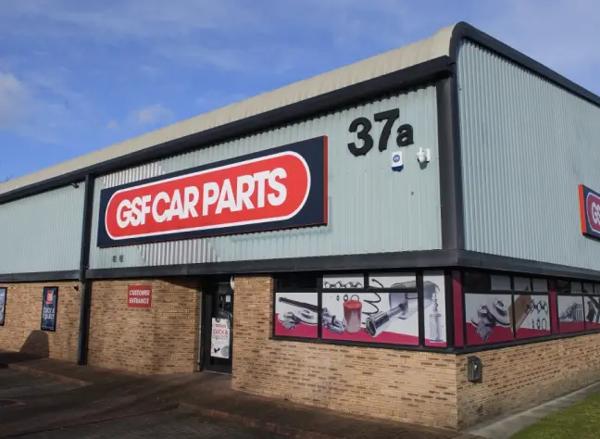
A car-parts order is only useful if the items fit the vehicle and arrive in time for the job. A low price does not help much when a repair is delayed by an incorrect component, or when a collection trip is made before an order is ready. GSF Car Parts offers a registration-based parts finder and several ways to receive an order, making the buying process as important as the product search.
This guide explains how to build a sensible maintenance shortlist, check fitment and choose between collection and delivery. It draws on GSF’s official homepage and an archived copy from October 2026. It is not a mechanical diagnosis, a fitting tutorial or a guarantee that a particular part suits your car.
Begin with the vehicle, not a discounted product
GSF’s website asks shoppers to enter a number plate to find parts. It also describes searching by vehicle details. Start there rather than choosing a component because its picture resembles the old one. Vehicles with similar names can still have different engines, braking systems or production specifications.
Treat the finder as a starting point and read the individual listing carefully. Compare the information available with your vehicle records and any part reference supplied by a qualified technician. If the listing leaves a choice unresolved, ask GSF for assistance before ordering rather than guessing which version looks closest.
GSF says support is available through live chat, its contact form and telephone. Have the relevant vehicle information and the exact product reference ready when asking a fitment question. A specific query is easier to resolve than a request for something that simply fits a broadly named model.
Separate routine checks from repair decisions
A winter preparation list might include checking visibility, the condition of wipers and whether the vehicle needs its scheduled service. Those are prompts for inspection, not instructions to replace everything at once. The condition of the car and its service requirements should determine the purchase.
GSF’s homepage describes a range covering parts, accessories, batteries, oils and tools. That breadth is convenient, but it does not mean every category belongs in the same basket. Buying a tool is not a substitute for having the knowledge and safe working conditions needed to use it.
For braking, steering or other safety-critical work, use a suitably qualified professional. If a warning light or symptom is unexplained, a diagnosis should come before a parts order. Replacing a component speculatively can waste money while leaving the actual fault unresolved.
Compare the receiving options before booking the job
GSF describes free Click & Collect, standard delivery and FastTrack delivery for eligible products. The headline times are conditional, so verify stock, location and the promise shown for your actual order. The following table compares the practical questions rather than guaranteeing a service everywhere.
| Option described by GSF | Homepage headline | What to check before relying on it |
|---|---|---|
| Click & Collect | Free, with collection in as little as 30 minutes | Chosen branch, local availability and readiness confirmation |
| Standard UK delivery | Free on orders over £25 including VAT to mainland addresses | Final delivery charge, address eligibility and estimated arrival |
| FastTrack | Eligible products in as little as 90 minutes | Product and postcode eligibility, timing and any charge |
The brand says it has more than 200 stores across the UK and Ireland. That does not establish that every branch stocks every item or that all services apply throughout both countries. Check the branch and delivery details for the location you intend to use.
If a garage appointment depends on the order, allow for uncertainty. A best-case delivery headline is not the same thing as a confirmed appointment with your mechanic. Match the work schedule to the order confirmation rather than doing those steps in the opposite order.
Do the basket arithmetic without buying unnecessary extras
The free mainland UK delivery threshold shown by GSF is over £25 including VAT. Notice the word over: do not assume an order of exactly £25 automatically qualifies. The basket and checkout should show how the current rule applies to the items and address selected.
If your order falls below the threshold, compare the displayed delivery charge with collection and with the cost of an extra item you genuinely need. Adding something unwanted purely to unlock delivery can make the total higher, not lower. The meaningful figure is the final amount spent on useful purchases.
Include the cost of reaching a branch when collection involves a separate journey. A free collection service can still take time and fuel. Conversely, collection may be convenient if the store is already on your route and the order is confirmed ready. The best choice depends on your circumstances rather than on the word free.
Confirm specifications for consumables too
Compatibility questions are not limited to large mechanical parts. Oils, fluids and accessories can have model-specific requirements, so use the vehicle manufacturer’s guidance and the product specification. Do not select a fluid solely because the bottle size or broad product name looks familiar.
Similarly, compare what a listing actually includes. A photograph may show a set, an individual item or packaging that is not obvious at thumbnail size. Read the quantity, description and any fitting notes before assuming the basket contains everything required for the planned work.
A useful checklist has three columns: required item, confirmed specification and required quantity. It may feel basic, but it catches different mistakes from checking only the total price. Keep the list alongside the order confirmation so that receiving the delivery becomes a deliberate check rather than a quick glance.
Understand returns and warranty before opening or fitting
GSF’s homepage advertises a 60-day return period. It separately states that products have at least a 12-month warranty unless otherwise stated. These are different concepts, and neither headline provides all the conditions applying to a specific purchase.
Read the current returns policy before opening packaging, fitting a part or discarding labels. Confirm how the retailer handles the particular type of item and what evidence may be needed. Do not assume a fitted component is treated in the same way as an unopened accessory.
When the order arrives, compare the references and quantities with the confirmation before work begins. If something appears incorrect, seek clarification before attempting installation. Keep the invoice and product details available for any later support enquiry.
A reliable order is a planned order
GSF can be a useful place to source maintenance items, but the strongest buying process is fitment first, availability second and price comparison third. Confirm what the car needs, identify the correct specification and choose a receiving option that suits the job.
Only then finalise the basket. Avoid treating promotional delivery times as universal guarantees or buying extra components to solve an undiagnosed problem. A smaller order of confirmed parts is more useful than an impressive collection of maybes.
Source: GSF Car Parts official homepage and its archived October 2026 copy. Service details were checked on 8 November 2026; current checkout terms take precedence. Affiliate disclosure: we may earn a commission through the shopping link, at no extra cost to you.