
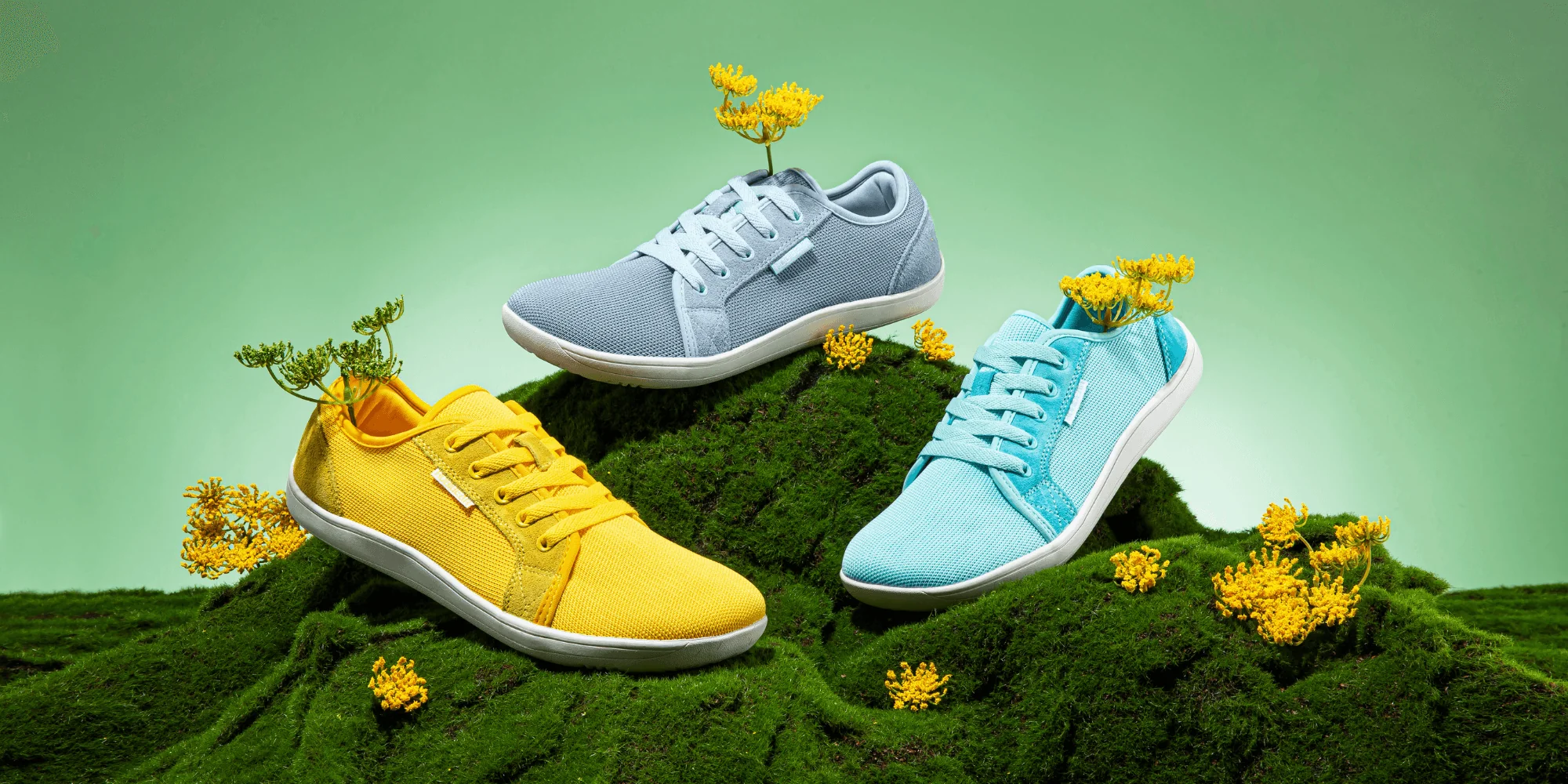
Barefoot shoes look simple, but their design is very different from many conventional shoes.
Instead of thick cushioning, narrow toe areas and raised heels, barefoot footwear generally focuses on flexibility, a wider toe box and a flatter sole.
If you’re considering trying them for the first time, understanding these differences can help you choose a pair that suits your feet and everyday activities.
What Are Barefoot Shoes?
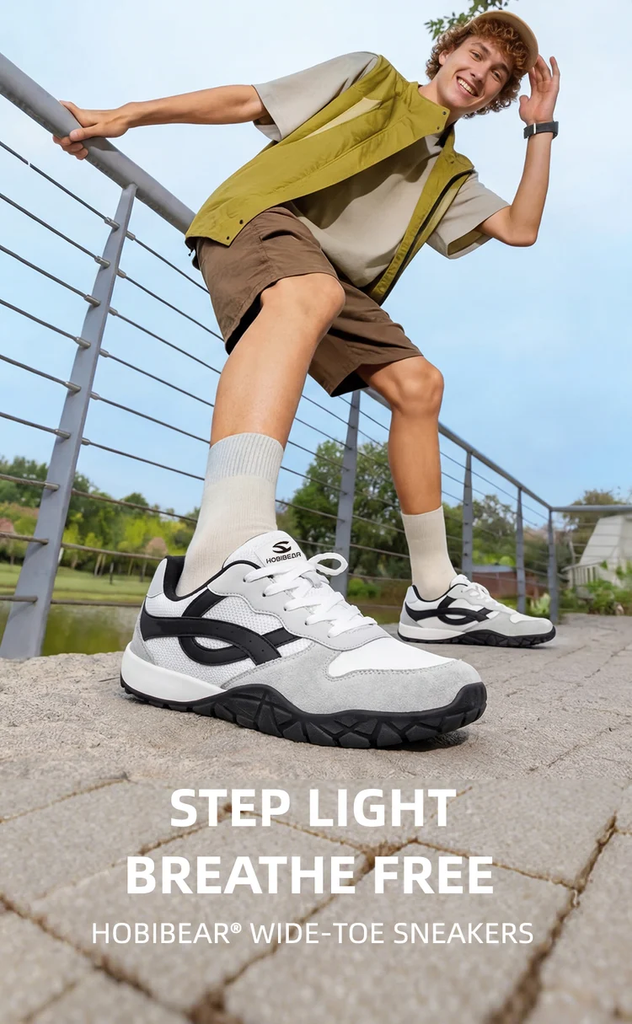
Barefoot shoes are minimalist shoes designed to provide a closer to the ground feel while still protecting your feet from the surface underneath.
Common characteristics include:
- Wide toe box
- Thin sole
- Flexible construction
- Flat or zero drop design
- Lightweight materials
Different models vary, so always check the specifications of the individual shoe.
Why Does the Wide Toe Box Matter?
One of the most noticeable features of barefoot footwear is the extra room around the toes.
Traditional shoes can sometimes taper significantly toward the front.
Barefoot shoes generally use a wider shape that gives the toes more room.
HOBIBEAR uses wide toe boxes throughout many of its barefoot designs.
What Does Zero Drop Mean?
Zero drop means there is little or no height difference between the heel and the front of the shoe.
Many traditional shoes raise the heel above the toes.
A zero drop shoe creates a flatter platform.
If you’re accustomed to conventional footwear, this can feel noticeably different when you first begin wearing barefoot shoes.
Flexible Soles
Barefoot shoes typically use more flexible soles than heavily structured footwear.
The idea is to allow the shoe to move more naturally with the foot.
Many HOBIBEAR designs combine flexible thin soles with wide toe boxes and flat construction.
Don’t Change Too Quickly
If you’ve spent years wearing heavily cushioned or structured shoes, barefoot footwear may feel unfamiliar.
You don’t necessarily need to wear your new shoes all day immediately.
Start gradually.
Try shorter periods first and pay attention to how your feet and legs respond.
Increase your wearing time as appropriate for you.
If you experience persistent pain or have an existing foot condition, consider speaking with an appropriate healthcare professional before making major footwear changes.
Choose Shoes for the Activity
Barefoot shoes aren’t all designed for exactly the same purpose.
For everyday use, prioritise comfort and versatility.
For outdoor activities, consider traction and weather protection.
For active use, check the outsole, fit and intended activity.
For children, consider fit, flexibility, fastening and the surfaces where they’ll be wearing the shoes.
Get the Size Right
Don’t assume your normal shoe size will automatically provide the correct fit.
Check the manufacturer’s sizing guide and measure your feet when necessary.
The toe box should provide room, but the shoe still needs to feel secure.
If your toes feel compressed, the fit may be too small.
Barefoot Shoes for Everyday Style
Minimalist shoes don’t have to look like specialist sports equipment.
Modern barefoot footwear is available in many colours and casual designs.
You can pair them with jeans and a T shirt, casual trousers and knitwear, shorts and a polo, leggings and an oversized top or relaxed travel outfits.
Neutral colours can easily become everyday footwear, while brighter options add more personality.
Barefoot Shoes for Children
Barefoot shoes are also available for children.
HOBIBEAR’s children’s range includes wide toe box and flexible designs, with individual models offering different materials, fastening systems and outsole features.
Parents should focus on proper sizing and the child’s comfort rather than choosing footwear based on appearance alone.
About HOBIBEAR
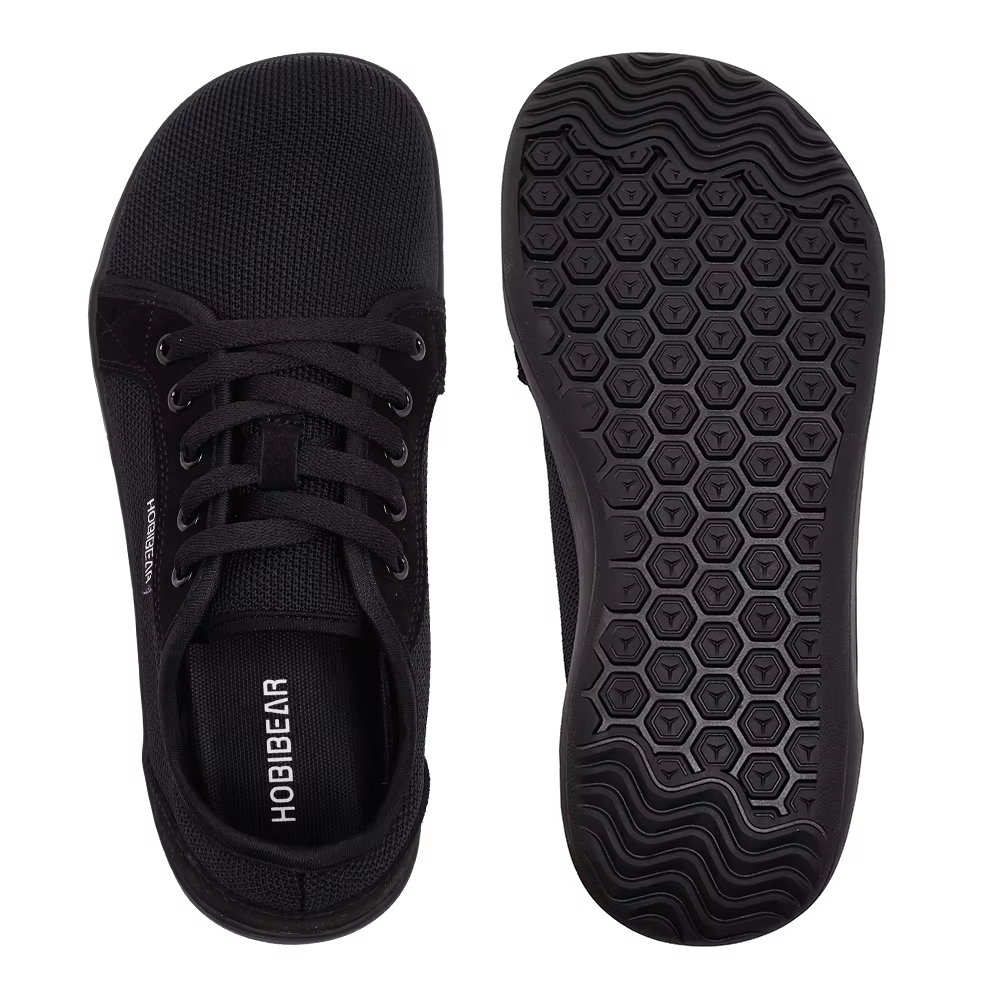
HOBIBEAR was founded in 2009 and specialises in barefoot footwear for adults and children.
The brand’s barefoot range focuses on features including wide toe boxes, flexible construction, thin soles and flat or zero drop designs.
Its collections include casual barefoot shoes, men’s and women’s styles, children’s footwear and designs intended for different everyday and outdoor activities.
What to Check Before Buying
Before choosing barefoot shoes, consider your foot measurements, toe box width, sole flexibility, heel to toe drop, intended activity, weather conditions, outsole traction, materials and sizing recommendations.
Don’t choose solely based on appearance.
Fit and intended use matter too.
Final Thoughts
Barefoot footwear offers a different experience from traditional structured shoes.
The combination of a wide toe box, flexible sole and flatter construction can provide a more minimalist feel, but switching doesn’t need to happen overnight.
Start gradually, choose the correct size and select a design appropriate for how you plan to use it.
HOBIBEAR’s range includes barefoot footwear for adults and children, making it possible to explore different designs while keeping the core minimalist features.
The goal isn’t simply to find the thinnest shoe possible.
It’s to find footwear that fits comfortably, suits your activities and works for your individual needs.