
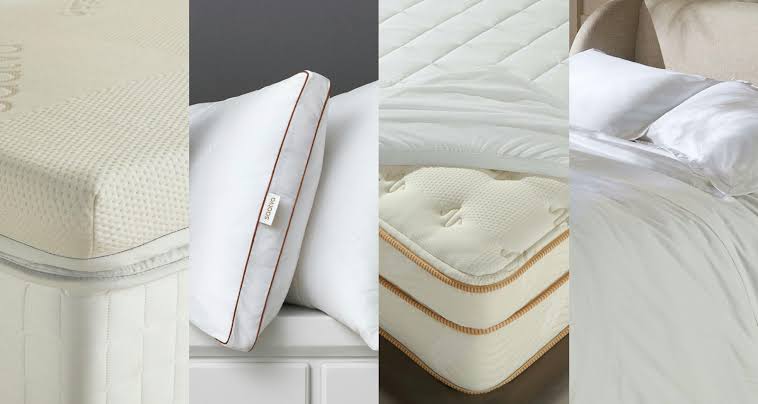
Better Sleep Starts with the Right Foundation
If you regularly wake up feeling uncomfortable or stiff, it may be worth looking at your overall sleep environment.
Your mattress is an important part of the equation, but sleeping position, pillows, mattress support, temperature, and everyday habits can all influence nighttime comfort.
Creating a supportive bedroom begins by understanding how these elements work together.
Start with Your Mattress
A mattress needs to perform two important jobs: provide support and offer comfort.
Support helps prevent heavier areas of the body from sinking excessively, while cushioning helps relieve pressure around sensitive areas.
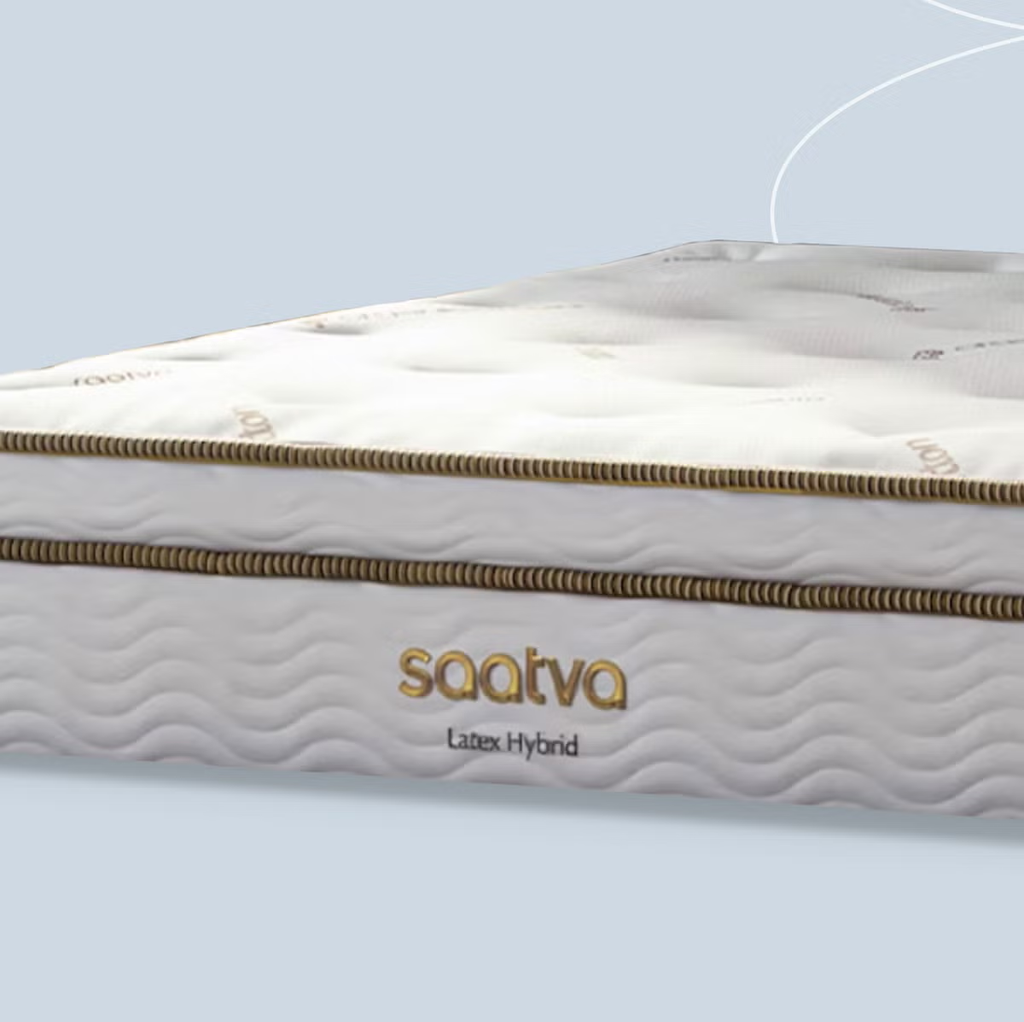
When evaluating a mattress, consider:
- Firmness
- Pressure relief
- Lumbar support
- Responsiveness
- Edge support
- Temperature regulation
- Overall construction
A good balance between these characteristics can create a more comfortable sleeping surface.
Pay Attention to the Lumbar Area
The lumbar region of your spine is located in the lower back.
Because the centre of the body carries significant weight, some mattresses provide additional reinforcement through this section.
Saatva mattresses incorporate the company’s Lumbar Zone® Technology, which concentrates additional support in the centre third of the mattress.
Different Saatva models use variations of this concept, including reinforced coils, specialised quilting, memory foam, and other support technologies.
Consider Your Sleeping Position
Your preferred sleeping position influences how your body distributes weight.
Back Sleeping
Back sleepers typically need consistent support around the hips and lower back combined with comfortable cushioning.
Side Sleeping
Side sleepers usually require greater pressure relief around their shoulders and hips.
Stomach Sleeping
Stomach sleepers often benefit from a firmer surface that limits excessive sinking around the midsection.
Combination Sleeping
People who regularly change positions may prefer a responsive mattress that makes movement easier.
Understanding your dominant sleeping position can narrow down the available options.
Saatva Classic for Everyday Support
The Saatva Classic combines traditional innerspring responsiveness with modern comfort materials.
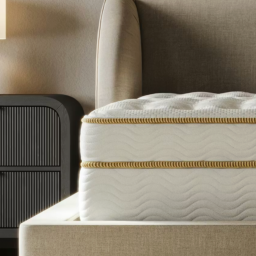
Its construction includes:
- A cushioned Euro pillow top
- Lumbar Zone® Quilting
- Lumbar Zone® Active Spinal Wire
- Gel-infused memory foam in the lumbar area
- Individually wrapped coils
- A durable base coil system
- Reinforced edge support
It’s also available in Plush Soft, Luxury Firm, and Firm versions, giving sleepers several comfort options.
Saatva Rx for More Specialised Support
Saatva also offers the Saatva Rx, a memory foam hybrid specifically designed with enhanced support and pressure relief in mind for sleepers dealing with serious or chronic back and joint conditions.
Its construction includes Saatva’s Therapeutic Support Core™, Lumbar Zone® Quilting, and gel-infused memory foam.
Anyone experiencing persistent or significant back pain should seek guidance from a qualified healthcare professional rather than relying on a mattress alone.
Choose the Right Pillow
Your mattress supports most of your body, while your pillow plays an important role in supporting your head and neck.
Pillow height should generally complement your sleep position.
Side sleepers may prefer a higher pillow to accommodate the space between the shoulder and head, while stomach sleepers often require a thinner option.
Back sleepers typically fall somewhere between the two.
The goal is comfort rather than simply choosing the thickest pillow available.
Consider an Adjustable Base
Some sleepers enjoy using an adjustable base to modify their sleeping position.
Depending on the mattress and base, users may be able to elevate:
- The head
- The legs
- Both simultaneously
This provides additional flexibility for reading, relaxing, or finding a comfortable sleeping position.
Compatibility should always be checked before combining a mattress with an adjustable base.
Keep Your Bedroom Comfortable
Your mattress isn’t the only factor influencing sleep.
Consider your bedroom environment too.
Helpful habits include:
- Keeping the room comfortably cool
- Reducing unnecessary light
- Minimising nighttime noise
- Using breathable bedding
- Maintaining a consistent sleep schedule
- Limiting stimulating activities immediately before bed
Small improvements can collectively make your bedroom more conducive to rest.
Give Your Mattress Proper Support
Even a high-quality mattress needs an appropriate foundation.
An unsuitable or damaged foundation can affect how the mattress feels and performs.
Always follow the manufacturer’s recommendations regarding:
- Foundations
- Platform beds
- Slat spacing
- Adjustable bases
- Centre support
This can also help protect the mattress over the long term.
Take Advantage of a Home Trial
Trying a mattress briefly in a showroom doesn’t replicate sleeping on it night after night.
A home trial provides significantly more time to decide whether the mattress suits your preferences.
Saatva currently includes a 365-night home trial with its mattresses, alongside free in-room delivery and setup, free removal of an old mattress, and a lifetime warranty.
These services differentiate the experience from traditional compressed bed-in-a-box delivery.

Final Thoughts
Creating a more supportive sleep environment involves much more than simply buying the firmest mattress available.
Your sleeping position, preferred firmness, pressure points, pillow, mattress foundation, and bedroom environment should all be considered together.
Saatva offers several mattresses designed with targeted lumbar support, including the Saatva Classic for more typical aches and comfort needs and the Saatva Rx as a more specialised model designed around chronic back and joint discomfort.
Ultimately, the best mattress is one that provides the right combination of support and comfort for your individual body and sleeping style.
