
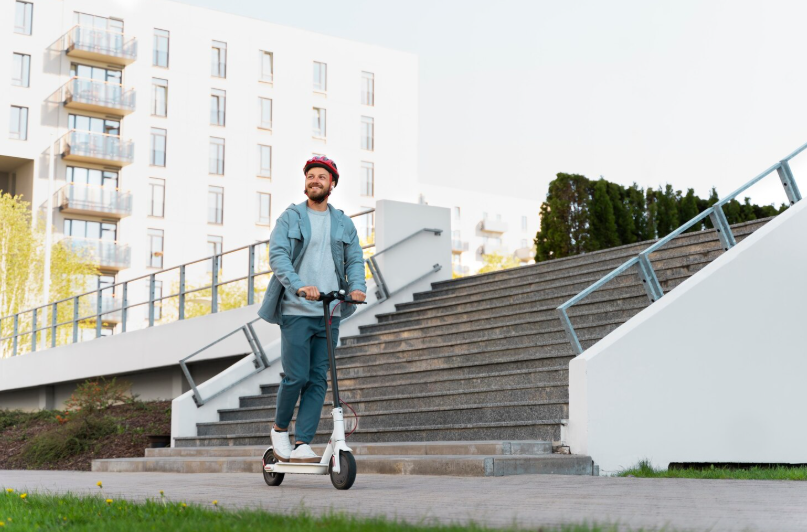
Getting from one place to another does not always require a car, motorcycle, or even a traditional bicycle. As cities become busier and people look for smarter ways to travel short distances, personal electric mobility has become an increasingly interesting part of everyday life. Segway is one of the names that helped bring this idea into the mainstream.
What began with a distinctive self-balancing vehicle has developed into a much broader mobility brand. Today, Segway is associated with electric scooters, personal transportation, recreational vehicles, and technology designed to make movement more convenient. Its products appeal to commuters, outdoor enthusiasts, casual riders, and people who simply want a different way to get around.
The appeal is not only about replacing one form of transportation with another. It is about making short journeys simpler, more flexible, and sometimes more enjoyable.
From an Unusual Idea to a Recognized Mobility Brand
When Segway first appeared, its technology looked very different from the transportation products people were accustomed to seeing. The self-balancing concept attracted attention because it offered a new way to control a vehicle. Riders could use their body movements to influence acceleration, slowing, and direction.
That unusual approach helped make the brand recognizable.
Over time, personal mobility changed considerably. Electric scooters became more common, battery technology improved, and consumers became more comfortable with compact electric vehicles. Segway responded by expanding its range rather than remaining focused on its original concept.
This evolution is important because it shows that Segway is not simply one type of vehicle. It is better understood as a mobility brand with products aimed at different situations.
Its wider product approach can include:
- Urban electric scooters
- Personal mobility devices
- Off-road recreational vehicles
- Electric ride-on products
- Smart mobility technology
- Products designed for leisure and exploration
The result is a brand that can appeal to someone traveling through a city as well as someone looking for an outdoor adventure.
Why Electric Mobility Has Become So Appealing
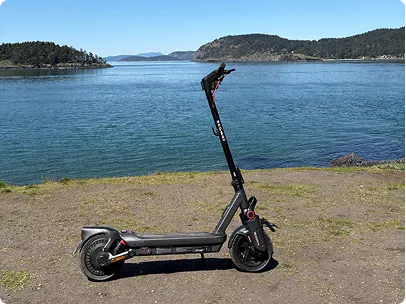
Short journeys can sometimes be surprisingly inconvenient. Driving a car for a few minutes may involve traffic, parking, fuel costs, and unnecessary effort. Walking is practical in many situations but may take considerably longer. Public transportation may not always connect directly to the destination.
This is where compact electric mobility can make sense.
A scooter or similar vehicle can provide another option for covering short distances. It can be particularly useful when the destination is too far to walk comfortably but does not justify taking a full-sized vehicle.
For many riders, the attraction comes from a combination of convenience and simplicity. An electric vehicle can be charged at home, stored in relatively little space, and used for everyday journeys without the complexity associated with owning a car.
That does not mean an electric mobility product can replace every form of transportation. Instead, it can fill the gap between walking and larger vehicles.
Segway Scooters for Everyday Travel
Electric scooters have become one of the most recognizable forms of personal electric transportation, and Segway has developed products aimed at this growing market.
The idea behind a commuter scooter is straightforward. You need something that can help you cover a reasonable distance while remaining relatively easy to operate and store.
A scooter can be useful for:
- Commuting to work or school
- Short trips around a neighborhood
- Connecting with public transportation
- Running small errands
- Exploring urban areas
- Traveling around private properties
Different models can offer different combinations of speed, range, portability, comfort, and technology. This means buyers should look beyond appearance and consider how the scooter will actually be used.
For example, someone traveling several miles every day may prioritize battery range, while someone carrying the scooter upstairs may care much more about weight and folding design.
Beyond the City: A Different Side of Segway
One of the more interesting aspects of the brand is its presence outside ordinary urban transportation.
Not every rider is looking for a scooter to take to work. Some people want an electric vehicle for recreation, exploration, or outdoor use. This has created demand for products capable of handling environments that are very different from smooth city streets.
Off-road mobility products can be designed with features intended to improve their performance on uneven surfaces. Depending on the vehicle, these may include larger tires, stronger frames, suspension systems, and increased ground clearance.
This opens up possibilities for activities such as:
- Exploring private trails
- Recreational riding
- Outdoor adventures
- Property transportation
- Leisure trips
- Tourism experiences
The experience can also be very different from riding a conventional scooter. Instead of simply viewing an electric vehicle as transportation, riders can treat it as part of the adventure itself.
Technology Is a Major Part of the Experience
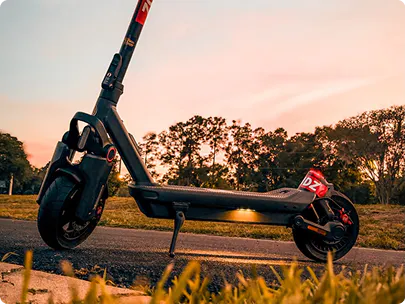
Modern personal mobility is not just about putting an electric motor on a small vehicle. Software, sensors, batteries, displays, and electronic control systems all play important roles.
Segway products can incorporate technology intended to make riding easier to understand and manage. Depending on the model, riders may have access to information about battery status, speed, riding modes, or vehicle condition.
Some products can also connect with mobile devices, giving users additional control or information.
The technology behind these vehicles can contribute to:
- Better control
- More convenient monitoring
- Battery management
- Different riding modes
- Vehicle status information
- Improved user interaction
This technology is especially useful because electric mobility is becoming more sophisticated. A modern vehicle can provide considerably more information to the rider than a simple mechanical transportation device.
What Makes a Segway Different?
There are now many electric mobility brands available, so simply being electric is no longer enough to stand out. Segway’s long history in personal mobility is one of the factors that gives the brand a distinctive identity.
Its original self-balancing technology created a strong association with innovation. That reputation has continued as the company has moved into newer categories.
Another advantage is the variety of products available. A customer interested in personal transportation does not necessarily have the same needs as someone interested in recreational riding. Offering different vehicle types allows the brand to reach different audiences.
The combination of technology, design, electric power, and product variety is what makes Segway particularly recognizable in the personal mobility market.
Choosing a Segway Product Without Making the Wrong Choice

The most expensive or fastest model is not automatically the best choice. The right vehicle is the one that matches the rider’s actual lifestyle.
Before buying, it is worth asking a few practical questions:
- Where will the vehicle mainly be used?
- How far will you normally travel?
- Will you need to carry it regularly?
- Is the terrain mostly smooth or uneven?
- How important is battery range?
- How much charging time is acceptable?
- Who will use the vehicle?
- What safety equipment will be required?
- Are there local restrictions on where it can be ridden?
These questions can quickly narrow down the available options.
Someone looking for a daily commuter may need a lightweight scooter with practical range. An outdoor rider may have completely different priorities, such as stronger construction and better handling on rough surfaces.
Safety Should Never Become an Afterthought
Electric vehicles can be enjoyable and convenient, but responsible riding is essential. New riders should not assume that a compact vehicle is automatically risk-free simply because it is smaller than a car.
Learning how the vehicle accelerates, brakes, turns, and responds to different surfaces is an important first step.
Riders should also:
- Wear a suitable helmet.
- Follow applicable local laws.
- Practice before entering crowded areas.
- Maintain a safe and controlled speed.
- Check tires, brakes, and other important components.
- Keep the battery adequately charged.
- Use appropriate lighting in poor visibility.
- Avoid unsuitable terrain.
- Follow the manufacturer’s operating recommendations.
Good riding habits make the experience more enjoyable while reducing unnecessary risks.
A Practical Alternative for Short Distances
The biggest opportunity for personal electric mobility may not be replacing cars completely. Instead, it may be making short-distance travel easier.
Consider a journey that is only a few miles long. Driving might be inconvenient because of parking. Walking might take too long. A bus may not have a convenient route. A compact electric vehicle can provide another possibility.
This is why personal mobility products can be useful even for people who already own cars. They do not necessarily have to replace the car; they can complement it.
For example, someone might use a larger vehicle for long-distance travel and a compact electric vehicle for short local trips. This approach gives people more flexibility in deciding how to travel.
Where Personal Mobility Could Go Next
The future of personal transportation is likely to involve more than simply producing faster electric vehicles. Improvements in batteries, connectivity, safety technology, motors, and intelligent control systems could make personal mobility increasingly practical.
Consumers may eventually expect electric vehicles to be more efficient, easier to maintain, smarter, and better integrated into everyday transportation systems.
Brands such as Segway have already played a role in introducing consumers to alternative forms of personal transportation. Continued innovation could make these products even more useful for commuting, recreation, tourism, and local travel.
The most interesting development may be the growing acceptance of multiple transportation options. Instead of relying on one vehicle for every journey, people can choose different solutions depending on distance, location, weather, convenience, and purpose.
Final Thoughts
Segway’s story is ultimately about more than one unusual self-balancing machine. It represents the broader evolution of personal mobility and the growing interest in compact electric transportation.
From urban scooters to recreational vehicles, the brand has developed products for people who want to move differently. Some riders may value convenience, others may be interested in technology, and some simply want a more enjoyable way to explore their surroundings.