
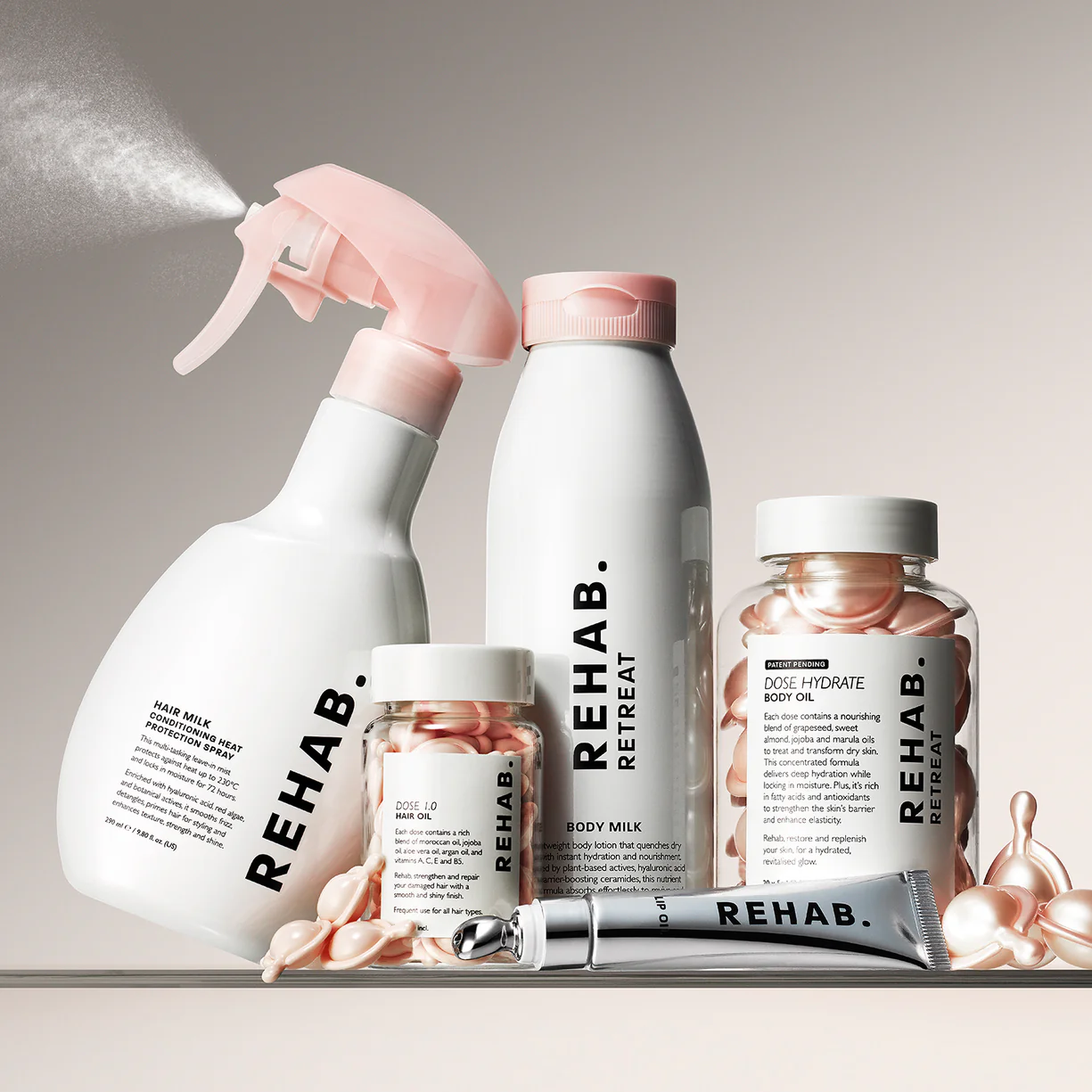
Beautiful hair is not simply about appearance. It is often a reflection of how well your hair is cared for, protected, and maintained. When hair begins to look dull, feel rough, break easily, or lose its natural softness, it is usually a sign that it needs more than another styling product. It needs a proper recovery routine.
REHAB Your Hair is about giving your hair the attention it deserves after exposure to heat, coloring, chemical treatments, environmental stress, and everyday styling. Instead of covering up damage temporarily, the goal is to create better habits that improve the way your hair looks, feels, and behaves over time.
Whether your hair has become dry after frequent coloring or simply lacks the shine and softness it once had, the right approach can make a significant difference. With thoughtful care, quality products, and a little patience, you can transform your hair-care routine and bring out its healthiest-looking appearance.
Why Your Hair Needs a Fresh Start
Hair can handle a surprising amount of daily stress, but repeated damage eventually becomes visible. Straightening irons, curling tools, blow dryers, bleaching, coloring, tight hairstyles, and harsh environmental conditions can all affect the outer layer of the hair.
Once the protective cuticle becomes rough or weakened, hair may become harder to manage. You may notice more tangles, frizz, split ends, breakage, or a lack of shine. Simply applying more styling products may hide these problems temporarily, but a better solution is to identify the habits responsible for the damage.

Some of the biggest causes of stressed hair include:
- Frequent heat styling
- Repeated bleaching or coloring
- Excessive chemical treatments
- Washing too frequently
- Using unsuitable hair products
- Rough towel drying
- Aggressive brushing and detangling
- Excessive exposure to sunlight
- Tight ponytails and hairstyles
- Lack of regular conditioning
Recognizing these problems is the first step toward creating a smarter routine.
REHAB Your Hair With the Right Foundation
A successful hair-rehabilitation routine does not need to contain dozens of products. In fact, using too many products can sometimes make your routine complicated and difficult to maintain.
Start with the basics: a suitable shampoo, a quality conditioner, a nourishing treatment, and a heat-protective product if you use styling tools.
Your shampoo should effectively cleanse the scalp without leaving your hair feeling excessively dry. Conditioner should then help restore softness and improve manageability, particularly through the mid-lengths and ends.
A strong foundation should focus on:
- Gentle cleansing
- Consistent conditioning
- Proper moisture balance
- Careful detangling
- Heat protection
- Reduced chemical stress
- Regular maintenance
The secret is consistency. A simple routine followed regularly can be much more beneficial than an expensive collection of products that you rarely use.
Give Dry Hair the Moisture It Has Been Missing
Dryness is one of the most obvious signs that your hair needs additional attention. Hair that lacks moisture can feel rough and look lifeless, while tangles and frizz may become much more difficult to control.
Deep conditioning can become an important part of your weekly routine. A suitable treatment can help hair feel softer and more manageable while improving its overall appearance.

When selecting a conditioning treatment, consider formulas containing ingredients such as:
- Shea butter
- Aloe vera
- Plant oils
- Glycerin
- Ceramides
- Conditioning agents
- Nourishing botanical extracts
However, more product does not always mean better results. Your hair type should determine how frequently you use intensive treatments. Fine hair may need lightweight formulas, while thicker or more textured hair may benefit from richer conditioning.
Make Heat Protection Non-Negotiable
Heat styling is one of the most common reasons hair loses its smooth and healthy-looking appearance. Straighteners, curling irons, and high-temperature blow dryers can place considerable stress on the hair when used repeatedly.
You do not necessarily have to give up your favorite hairstyle. Instead, learn to style more intelligently.
Before using heated tools, apply a suitable heat-protection product and allow it to distribute evenly. Keep the temperature as low as practical for the desired result and avoid repeatedly passing the tool over the same section.
You can also reduce heat exposure by:
- Allowing hair to air-dry partially
- Using lower styling temperatures
- Limiting daily straightening
- Avoiding repeated passes over one section
- Choosing heat-free hairstyles
- Giving your hair regular breaks from styling
If your goal is to REHAB Your Hair, reducing unnecessary heat can be one of the most valuable changes you make.
Treat Your Hair Differently After Coloring
Hair color can completely transform your appearance, but repeated coloring and especially bleaching can leave hair feeling significantly drier. If you regularly color your hair, your maintenance routine should reflect that additional stress.
Try to avoid unnecessary overlapping of chemical treatments. When possible, give your hair enough time between major services and concentrate on conditioning and protection during the periods between appointments.
Color-treated hair can benefit from:
- Gentle cleansing
- Regular conditioning
- Deep-conditioning treatments
- Heat protection
- Careful brushing
- Protection from excessive sunlight
- Regular trimming
If your hair feels extremely fragile after a chemical treatment, professional advice can help determine the safest way forward.
Your Hair Deserves Gentle Handling

Many people concentrate on which products they use but overlook how they physically handle their hair. Rough treatment can contribute to unnecessary breakage, particularly when hair is wet.
Instead of aggressively rubbing your hair with a towel, gently squeeze out excess water. A soft microfiber towel can also help reduce friction.
When detangling, start near the ends and gradually work upward. This prevents you from pulling a large knot through the entire length of your hair.
Small changes can make a noticeable difference:
- Detangle slowly
- Start at the ends
- Avoid aggressive brushing
- Use a wide-tooth comb when appropriate
- Avoid pulling tight knots
- Handle wet hair carefully
- Choose gentle hair ties
- Avoid hairstyles that create constant tension
Healthy-looking hair is often the result of hundreds of small habits rather than one dramatic treatment.
Choose a Routine That Matches Your Hair
There is no universal hair routine. What works beautifully for thick, coarse hair may be too heavy for fine hair. Similarly, someone with an oily scalp may need a completely different cleansing routine from someone with a naturally dry scalp.
Before buying another product, consider what your hair actually needs.
Ask yourself:
- Is my scalp oily or dry?
- Is my hair fine, medium, or thick?
- Is it straight, wavy, curly, or textured?
- Has it been colored or chemically treated?
- Do I use heat frequently?
- Does my hair become tangled easily?
- Is my biggest concern dryness, frizz, breakage, or lack of shine?
Once you understand your hair, product selection becomes much easier.
Healthy Hair Starts Beyond the Bathroom
Your external hair routine matters, but overall nutrition and lifestyle also play an important role in maintaining normal hair growth and appearance. Hair requires nutrients to grow, and consistently poor nutrition can affect the body in many ways.
A balanced eating pattern should include adequate protein, vegetables, fruits, whole grains, healthy fats, and sufficient fluids.
Good everyday habits include:
- Eating a varied diet
- Including adequate protein
- Staying hydrated
- Getting enough sleep
- Avoiding extreme diets
- Managing ongoing stress
- Maintaining a consistent hair-care routine
If you experience unusual or persistent hair loss, it is better to speak with a healthcare professional rather than assuming that a cosmetic product will solve the problem.
Do Not Ignore Your Ends
Split ends are one of the most recognizable signs of damaged hair. Once a strand has split, products can temporarily improve its appearance and smoothness, but they cannot permanently restore the original structure of the damaged section.
That is where regular trimming becomes useful.
You do not necessarily need a dramatic haircut. Removing damaged ends periodically can help your hairstyle look cleaner and healthier while making your hair easier to manage.
Combining trims with better conditioning, reduced heat, and gentler handling can help you maintain your desired length while improving the overall appearance of your hair.
Build Your REHAB Your Hair Routine
The most successful hair transformation is rarely achieved in one week. Instead, it comes from building habits that are realistic enough to continue.
A simple routine could look like this:
- Every wash: Cleanse gently and condition properly.
- After washing: Detangle carefully and avoid aggressive towel drying.
- Before heat styling: Always use heat protection.
- Weekly: Add an intensive conditioning treatment when suitable.
- Regularly: Reduce unnecessary heat and chemical treatments.
- Every few months: Check the condition of your ends and trim when needed.
- Every day: Protect your hair from unnecessary pulling, friction, and styling stress.
The objective is not perfection. The objective is consistency.
The Real Secret to Beautiful Hair
There is no single product that can replace a good hair-care routine. Beautiful, healthy-looking hair is created through a combination of protection, moisture, nourishment, maintenance, and patience.
When you REHAB Your Hair, you are not simply trying to make it look better for one day. You are changing the way you treat it. You are reducing unnecessary damage, giving your hair what it needs, and making smarter decisions about styling and maintenance.