

Booking a rental car usually starts with one question: which car? Pick too small and you spend the trip squeezing suitcases into the back seat. Pick too big and you pay more for the rental and the fuel than you need to. In Australia and New Zealand, where road trips can cover hundreds of kilometres, the choice matters even more.
Europcar offers a wide range of vehicles in both countries, from compact hatchbacks to premium models, hybrids, electric cars and vans. Below we compare the main classes, who each one suits, and the discounts that can bring the price down.
Compare Europcar cars and prices
In this guide
Europcar vehicle classes at a glance
Exact models vary by station and date, and you book a class rather than a specific car, so treat the examples as a guide. Here is how the main options compare.
| Class | Best for | Things to know |
|---|---|---|
| Small car | Solo travellers and couples, city trips | Cheapest to run, limited boot space |
| SUV and 4WD | Families, longer road trips, more luggage | More room and comfort, higher fuel use |
| Premium | Business trips, special occasions | Brands such as Audi and BMW at some locations |
| Hybrid and electric | Lower fuel costs, greener travel | Plan charging stops for EVs on long drives |
| Van and truck | Moving house, big groups of gear, business | One-way and long-term hire options |
Not sure yet? You can check which classes are available at your pick-up point for your dates.
Small cars: the budget pick
Europcar describes its small car range as compact, fuel-efficient hatches through to small family-sized SUVs. A small car is the obvious choice if you are travelling light, staying mostly in cities such as Sydney, Melbourne or Auckland, or need to park in tight spaces. It is also the cheapest class to rent and to fuel.
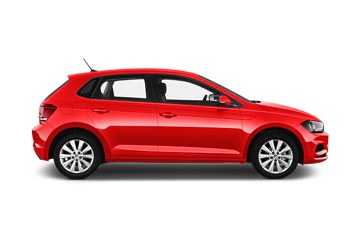
The trade-off is space. Two people with two medium suitcases is usually fine. Two adults with large cases, or a family of four, will feel cramped on a long drive.
SUVs and 4WDs: room for the road trip
If you are planning a long road trip, travelling with children, or carrying surfboards, hiking gear or ski bags, an SUV is often worth the extra cost. You get more boot space, a higher driving position and more comfort over long distances. In Australia, Europcar groups small cars, SUVs and 4WDs together on its fleet pages, so you can compare them side by side when you search.
Before you drive anywhere remote, read the rental conditions carefully. Rules about unsealed roads and off-road use can differ by vehicle and location.
Premium cars: when comfort matters
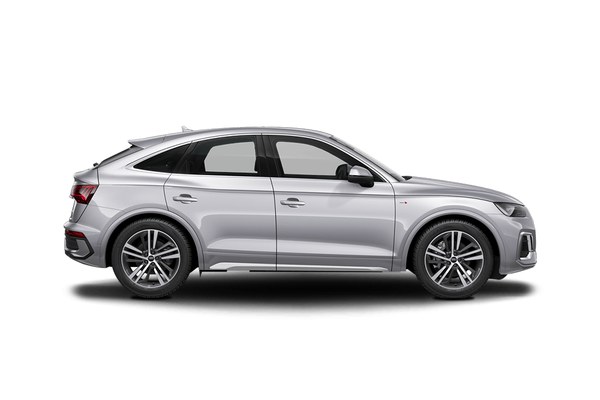
Europcar’s premium range includes models from well-known manufacturers, and its Australian site mentions brands such as Audi and BMW at certain locations. This class suits business travellers, couples on a special trip, or anyone who simply wants more comfort and technology on the road.
Premium rentals cost more than the standard classes, so they make the most sense for shorter trips or when the car is part of the experience. If you are a Privilege For You member, your member discount can help take the edge off the higher rate.
Hybrids and electric cars
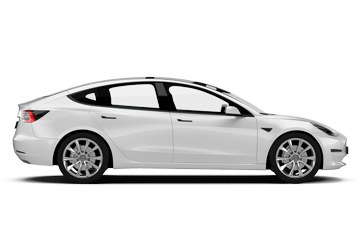
Both the Australian and New Zealand sites have a dedicated range of electric, hybrid and plug-in vehicles. The New Zealand site mentions Suzuki hybrids and Tesla electric models, and the Australian site mentions Toyota hybrids and features the Tesla Model 3.
A hybrid is an easy win for most travellers: you drive it like a normal car and use less fuel. An electric car can be great for city stays and well-planned routes, but on long country drives you need to plan charging stops in advance, as fast chargers can be far apart in rural areas.
Vans and trucks for bigger jobs
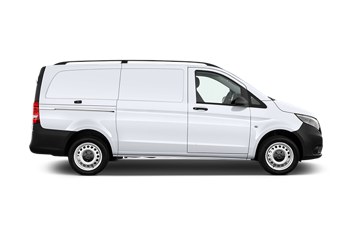
Europcar Australia has a large van and truck rental business. Its van pages list models such as the Toyota Hiace, Renault Kangoo, Toyota Hilux, Ford Ranger and Isuzu trucks, with availability varying by location. Hire options include hourly, daily, overnight, long-term and one-way rentals, which is handy for moving between cities.
For holidaymakers, a larger van can also be a practical option for a big group travelling together, as long as everyone is comfortable with a bigger vehicle on unfamiliar roads. Check the licence requirements for larger trucks before you book.
Deals and ways to pay less
Whatever class you choose, these options can help bring the price down:
- Privilege For You: Europcar’s free loyalty programme advertises a permanent 10% member discount for future bookings, plus points on each rental.
- Auto club members: in Australia, members of AANT, RAA, RAC, RACQ, RACT and RACV can access special discounted rates.
- Seasonal offers: in October 2026 both the Australian and New Zealand sites were promoting spring discounts. Check the latest terms before booking.
- Car subscription: in Australia you can subscribe for one month or more at a fixed monthly price, with no upfront costs and the option to cancel.
- Business accounts: companies can open a Europcar Business account for discounted car and van rates.

The quickest way to see what applies to your trip is to search your dates on Europcar and compare the classes side by side.
How to choose the right class
A simple rule of thumb works well for most trips:
- One or two people, mostly cities: small car.
- Family or long road trip with luggage: SUV.
- Business trip or special occasion: premium.
- Want lower fuel costs with no range worries: hybrid.
- Mostly city driving with charging at your hotel: electric.
- Moving house or carrying bulky items: van or truck.
Also think about where you will drive. Winding New Zealand mountain roads and long Australian highways are more relaxing in a car with a bit more power and space, while tight city parking favours something compact.
Final verdict
Europcar’s range in Australia and New Zealand covers almost every kind of trip, from a cheap city hatchback to a premium SUV, an electric sedan or a moving truck. Pick the smallest class that fits your people and luggage comfortably, join the free loyalty programme before you book, and check the current seasonal offers.
