

Giving is woven into everyday life for millions of British Muslims. Whether it is the yearly obligation of Zakat, a quiet act of Sadaqah on a Friday, or a regular gift that keeps helping long after it is made, many people want to be sure their money reaches the people who need it most. Muslim Aid is one of the UK’s longest-standing Muslim charities, and it has been doing this work since 1985.
In this guide we explain how Muslim Aid works, how Zakat and Sadaqah are handled, which appeals are running right now, and how you can give to a cause that matters to you in just a few minutes.
1. Who Is Muslim Aid?
Muslim Aid describes itself as a faith-based British international charity. It helps people affected by natural disasters and conflict, and people living with poverty, hunger, disease, homelessness, injustice, deprivation or a lack of skills and economic opportunities. Its message is simple: serving humanity, and serving Allah by serving His creation.
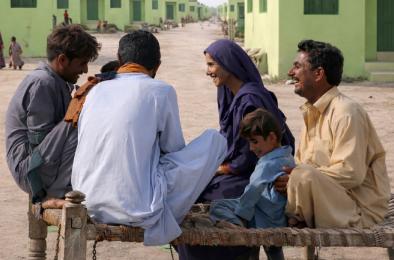
For more than 40 years the charity has run emergency relief alongside long-term development work. That means it can respond quickly when a crisis hits, but also stay in a community afterwards to rebuild homes, water supplies, schools and health services. Its work reaches people both overseas and here in the UK.
2. How Zakat Works With Muslim Aid
Zakat is one of the Five Pillars of Islam. It is an obligation for eligible Muslims and applies to 2.5% of qualifying savings and assets that have been held for one lunar year. You only need to pay if your wealth is above the Nisab, the minimum threshold, which is based on the value of gold or silver. Because those prices change, the Nisab changes too.
To be eligible you must be Muslim, past the age of puberty, of sound mind, free, and have personal wealth above the Nisab for a full Islamic year, known as the Hawl. Your main home and the things you need for daily living are not counted, but cash, savings, gold, silver and assets such as a second property that you do not live in usually are.
If the maths feels daunting, Muslim Aid offers a free online Zakat calculator and an end-to-end Zakat guide. You can work out what you owe and then pay your Zakat online in the same place.
3. Why Donors Trust Its Zakat Policy
Trust is everything when it comes to Zakat. Muslim Aid says its Zakat policy is reviewed and approved by qualified scholars from the Islamic Council of Europe (ICE), so that Zakat is collected and distributed in line with Shariah principles.
The numbers on its website show the scale of this work. The charity says it distributes around 2.6 million pounds of Zakat every year, and that last year it distributed Zakat to 54,504 people in the UK and overseas. The site also displays a Fundraising Regulator badge and shows that the charity is a Living Wage employer.
4. Sadaqah: Giving Any Time, Any Amount
Unlike Zakat, Sadaqah is voluntary. It can be given at any time, by anyone, in any amount, and it does not have to be money. A kind word or a helping hand also counts. For donors, Sadaqah is a way to support a cause close to their heart whenever they feel moved to give.
Muslim Aid has a dedicated Sadaqah appeal, and it also offers Jummah Giving, which lets you set up a small regular donation every Friday. For many people this turns giving into a weekly habit rather than a one-off. You can set up a Sadaqah or Jummah donation in a few clicks.
5. Sadaqah Jariyah: Gifts That Keep Giving
Sadaqah Jariyah is ongoing charity. It is a gift whose benefit continues long after it is made, such as a water well, a school or a health centre. Muslim Aid runs several long-term projects that fit this idea.
Current projects on the charity’s site include Build Water Wells, Schools and Education, Build a Hospital in Bangladesh and Build a Village in Pakistan. In rural Pakistan, for example, the village project aims to give families basic necessities such as clean water and safe housing in one place. There is also a Global Waqf Fund for donors who want their gift to be invested for lasting impact.

6. Emergency Appeals Running Now
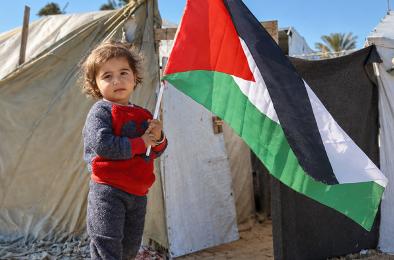
When disaster strikes, Muslim Aid opens emergency appeals so donors can respond straight away. At the time of writing, the appeals listed on its website include the Gaza Relief Fund, a Middle East Emergency appeal, a Nepal Flood Emergency Appeal, Rebuild Syria, Syria’s Disabled Survivors Appeal, Lebanon Emergency and Sudan Emergency, along with the Children of Al-Aqsa and Save Mothers and Babies in Need appeals.
There is also a Need is Greatest fund. A donation here lets the charity send help wherever the situation is most urgent, which is useful if you want to give but are not sure which crisis to choose. You can see every live appeal here.
7. Beyond Hunger and Healthcare
One of Muslim Aid’s headline campaigns is Beyond Hunger. The charity points out that famine is driven not only by a lack of food, but also by conflict, displacement and climate shocks, and its aim is to support long-term solutions to malnutrition rather than only short-term relief.
Healthcare is another focus. The Save Mothers and Babies in Need appeal and the hospital project in Bangladesh both aim to improve access to quality care in places where it is hard to find. Clean water projects, such as the Give Water, Save Lives appeal, help prevent illness in the first place.

8. How to Donate
Donating is straightforward. Choose a cause on the website, pick an amount, add it to your basket and check out. You can give a single gift or a regular one, and donations are taken in pounds sterling for UK supporters. If you prefer to talk to someone, Muslim Aid’s UK team can be reached on 020 7377 4200.
The charity also has a Riba appeal for anyone who wants to give away interest they have earned on savings, and it accepts Zakat ul-Fitr (Fitrana), which must be paid during Ramadan before the Eid prayers. Whatever kind of giving you have in mind, you can start your donation with Muslim Aid today.
Conclusion
Muslim Aid combines four decades of experience with a clear, faith-based approach to giving. Its Zakat calculator and scholar-approved Zakat policy make an important obligation easier to fulfil, while Sadaqah, Jummah Giving and Sadaqah Jariyah projects give donors flexible ways to help all year round. If you want your generosity to reach families facing hunger, conflict or disaster, it is a well-established place to start.
Frequently Asked Questions
Is Zakat compulsory for every Muslim?
No. Zakat is only due from Muslims who are adults, of sound mind and whose wealth has stayed above the Nisab threshold for one full lunar year.
How much Zakat do I need to pay?
Zakat is 2.5% of your qualifying wealth. Muslim Aid’s online Zakat calculator can help you work out the exact amount.
What is the difference between Zakat and Sadaqah?
Zakat is an obligation with set rules, while Sadaqah is voluntary and can be given at any time and in any amount.
What does Sadaqah Jariyah mean?
It is ongoing charity, such as a water well or a school, that continues to benefit people long after the donation is made.
Can I choose where my donation goes?
Yes. You can pick a specific appeal or project, or give to the Need is Greatest fund so the charity can send help where it is most urgent.
