
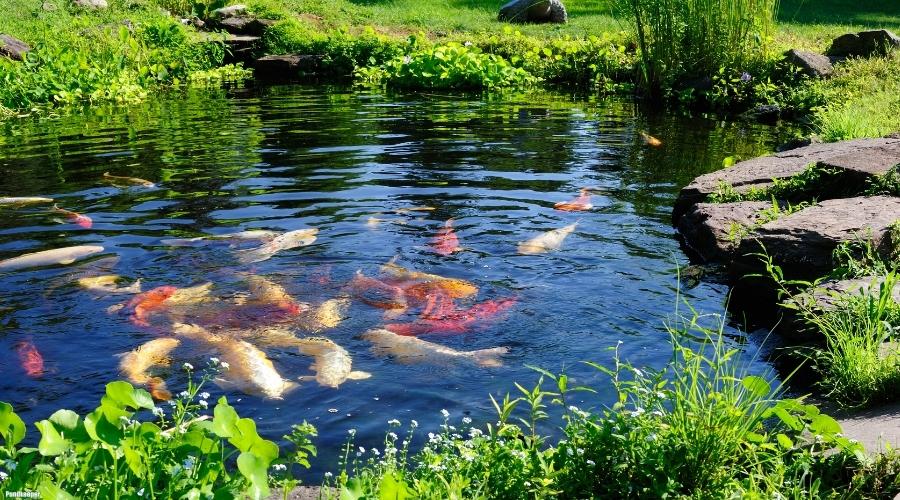
Turn Your Garden Into a Relaxing Outdoor Space
A garden pond can completely transform an outdoor space. Whether you want a small wildlife pond, an ornamental water feature or a larger pond for fish, water adds movement, character and a sense of tranquillity to the garden.
However, a successful pond requires more than simply digging a hole and filling it with water.
Choosing the right liner, filtration system, pump and plants from the beginning can make ongoing maintenance considerably easier.
Start With the Right Location
Before building your pond, carefully consider where it will be positioned.
Look for an area that:
- Receives a balance of sunlight and shade
- Is visible from your favourite garden areas
- Isn’t directly beneath large trees
- Has convenient access for maintenance
- Provides enough space for your planned design
Trees can create additional maintenance because falling leaves and organic debris may enter the water.
Choose Your Pond Size and Shape
One of the advantages of building your own pond is the freedom to choose its shape.
You could create:
- A small wildlife pond
- A traditional curved pond
- A contemporary rectangular pond
- A larger fish pond
- A pond with an integrated waterfall
Consider both available garden space and what you want the pond to achieve before deciding.
Select a Suitable Pond Liner
The liner forms the foundation of many garden ponds, so choosing the appropriate material is important.
Common options include:
- Flexible pond liners
- EPDM liners
- PVC liners
- Butyl liners
- Preformed ponds
Flexible liners offer greater freedom when designing unusual shapes, while preformed ponds can provide a simpler option for smaller projects.
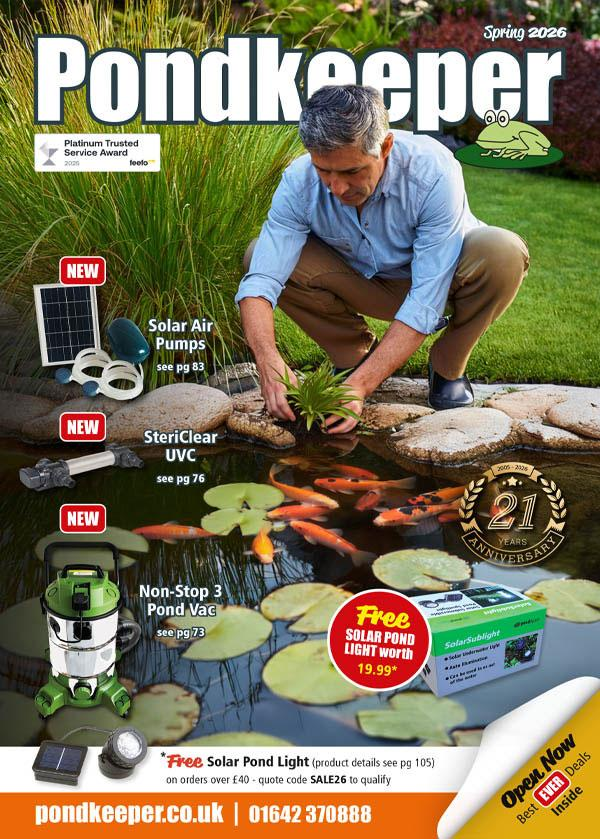
Pondkeeper specialises in pond liners and also provides a pond calculator to help customers determine the liner size required for their planned pond.
Why Pond Underlay Matters
Before installing a flexible liner, consider using protective underlay.
Sharp stones, roots and uneven ground underneath the pond can potentially place pressure on the liner.
Underlay creates an additional protective layer between the ground and the pond liner.
Preparing the site properly before filling the pond can save considerable work later.
Choose the Right Pond Pump
A pump helps move water around the pond.
Depending on your setup, it may supply:
- Pond filters
- Fountains
- Waterfalls
- Water features
- Circulation systems
The appropriate pump depends on factors such as pond volume, filtration requirements and the type of water feature being used.
Pondkeeper stocks several pump categories, including filter pumps, fountain pumps, solar pumps, feature pumps and air pumps.
Understand Pond Filtration
Filtration is particularly important for ponds containing fish.
Different pond setups may use:
- Pressurised filters
- Gravity filters
- All-in-one systems
- Koi filters
- UV clarifiers
The right system depends on pond size, fish population and other environmental factors.
Avoid automatically selecting the smallest filter available. A system needs to be appropriately sized for the pond it will support.
Add Plants to Your Pond
Plants aren’t only decorative.
A thoughtfully planted pond can create a more natural appearance while providing habitats and cover for wildlife.
Consider a mixture of:
- Marginal plants
- Floating plants
- Aquatic plants
- Oxygenating varieties
Different plants prefer different water depths, so plan planting areas when designing the pond.
Create Movement With a Water Feature
Waterfalls and fountains can become focal points within a garden.
Options include:
- Small fountains
- Cascading waterfalls
- Decorative water features
- Solar-powered features
- Traditional pond fountains
Moving water can also add relaxing sound to the garden.
Solar-powered options may be particularly useful in locations where running additional electrical connections would be inconvenient.
Keep an Eye on Water Quality
A pond is a small ecosystem, and its conditions can change throughout the year.
Regular maintenance may include:
- Removing debris
- Checking filters
- Inspecting pumps
- Monitoring water conditions
- Removing excessive algae
- Maintaining plants
- Checking fish where applicable
Addressing small problems early is generally easier than restoring a pond after conditions deteriorate significantly.
Seasonal Pond Maintenance
Your pond’s needs change throughout the year.
Spring
Spring is a good time to inspect equipment, remove accumulated debris and prepare the pond for increased biological activity.
Summer
Monitor water levels, plant growth and filtration during warmer weather.
Autumn
Remove falling leaves before they accumulate and decompose in the pond.
A pond net can make this task easier when trees surround the garden.
Winter
Prepare equipment and plants for colder conditions according to your pond type and the species living within it.
Don’t Overlook Fish Care
If your pond contains fish, their needs should influence your equipment choices.
Consider:
- Pond depth
- Filtration
- Oxygenation
- Fish population
- Water quality
- Appropriate feeding
Avoid adding too many fish to a new pond immediately. Allowing the pond environment to establish gradually can make management easier.
Why Pondkeepers Choose Pondkeeper
Pondkeeper has specialised in pond supplies since 2005 and says it has served more than 200,000 customers.
Its range covers virtually every stage of building and maintaining a garden pond, including:
- Pond liners and underlay
- Pond pumps
- Pond filters
- Pump and filter sets
- Pond vacuums
- UV clarifiers
- Pond treatments
- Fish food
- Water features
- Waterfalls
- Pond plants
- Lighting and accessories
The retailer also stocks established pond brands including PondXpert, Hozelock, Evolution Aqua, Fishmate and Blagdon.
Get Advice Before Starting
First-time pond building can feel complicated because several components need to work together.
Before purchasing equipment, determine:
- Your pond dimensions
- Approximate water volume
- Whether you’ll keep fish
- Whether you want a waterfall or fountain
- Your filtration requirements
- Where electrical equipment will be positioned
Planning these elements together helps avoid buying incompatible equipment.
Pondkeeper also provides free pond-building guides, a pond liner guide and an online pond calculator for customers planning a new project.
Final Thoughts
Creating a beautiful garden pond is easier when you start with the right foundation.
Carefully planning the location, liner, pump, filtration and planting can help create a pond that’s attractive while remaining manageable throughout the year.
Once established, regular seasonal maintenance helps keep the water feature looking its best and allows you to spend more time enjoying your garden rather than constantly fixing problems.
With a broad selection of pond liners, pumps, filters, plants, water features and maintenance equipment, Pondkeeper provides UK pond enthusiasts with products and guidance for projects ranging from small wildlife ponds to larger fish ponds.