
Tyre tread is the only part of your car that touches the road, and it is also the part that wears out without making any noise. There is no warning light for a worn tyre. The first sign is often a long braking distance on a wet road, which is the wrong moment to find out.
Three numbers come up whenever drivers discuss tread depth: 1.6 mm, 3 mm and 4 mm. They are not the same kind of number, and mixing them up leads to tyres being replaced either too early or too late. This guide explains each one, how to measure it, and how to plan a replacement. The figures come from the Swiss tyre retailer reifendirekt.ch, which publishes them on its own site.
In this guide
The Three Numbers at a Glance
| Depth | What it means | Source and notes |
|---|---|---|
| 1.6 mm | Legal minimum tread depth | Described by reifendirekt.ch as the statutory minimum |
| 3 mm | Recommended minimum for summer tyres | Experts’ recommendation quoted by the brand |
| 4 mm | Recommended minimum for winter tyres | Experts’ recommendation quoted by the brand |
The legal minimum is the point at which a tyre becomes illegal to use, not the point at which it is performing well. The recommended depths are higher because grip in rain, snow and slush falls as the grooves get shallower. The brand says the 3 mm and 4 mm values help you keep optimal grip in rain, snow and ice.
Why Grooves Matter
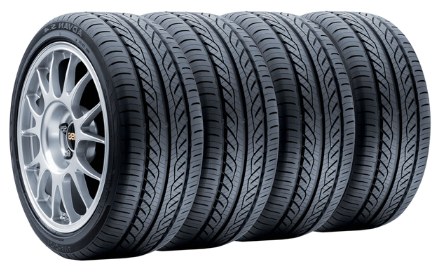
The main grooves in a tyre’s tread pattern carry water away from the contact patch. When the tread is deep, the water has somewhere to go. When it is shallow, the tyre can ride on a film of water, a loss of contact known as aquaplaning. Reifendirekt.ch notes that the deep longitudinal grooves on summer profiles drain water effectively and lower aquaplaning risk.
Winter tyres use a different approach. Their softer rubber compound and many small cuts in the tread blocks, called sipes, grip snow and slush. Those details wear away with the tread, which is why the recommended minimum for winter tyres is higher than for summer ones.
How to Check Tread Depth
You do not need a workshop. A cheap tread depth gauge costs little and gives a reading in millimetres. Follow these steps:
- Park on level ground and make sure the tyres are cool.
- Measure in the main grooves, at three points across the tread: inner, centre and outer.
- Repeat on all four tyres, and check the spare if you have one.
- Compare the lowest reading with the table above and write it down with the date.

Most tyres also have small raised bars at the bottom of the main grooves, called tread wear indicators. When the tread is level with them, the tyre has reached its minimum depth. They are a handy backup, but a gauge gives you earlier warning.
Uneven Wear Is a Message
If one tyre shows a much lower reading on one edge, something is wrong. Common causes include incorrect pressure, wheel alignment problems, worn suspension parts or hard cornering. Replacing the tyre without fixing the cause means the new one will wear the same way.
- Both edges worn: usually pressure that is too low.
- Centre worn: usually pressure that is too high.
- One edge worn: often alignment or suspension.
When to Replace: A Simple Rule
Use the recommended figures as your trigger, not the legal one. If you drive a lot on wet roads or in winter conditions, replace summer tyres when they approach 3 mm and winter tyres when they approach 4 mm. A tyre at 1.6 mm still passes the legal test, but it is already well past its best.
Remember that tread is only part of the picture. Rubber also ages, and a tyre that has been standing for years can harden even if it looks fine. Check the sidewalls for cracks, bulges or cuts at the same time as you measure.
Summer, Winter or All-Season?
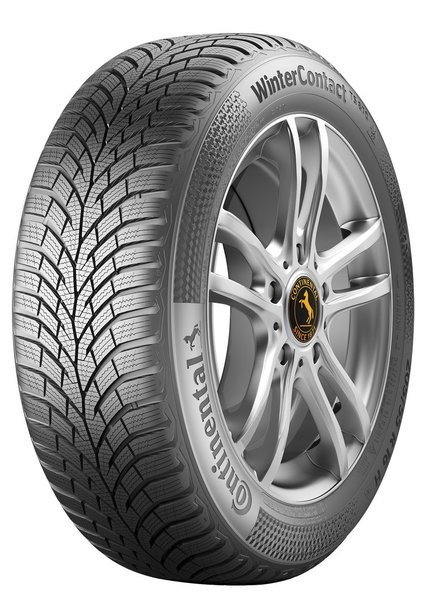
Reifendirekt.ch explains that in Switzerland and many other countries a winter tyre obligation applies in wintry conditions, and that only tyres with the snowflake symbol, known as 3PMSF, are approved for snow, ice and slush because they have been tested for winter suitability. For summer, it recommends summer tyres, which it says have a harder rubber compound with lower rolling resistance and therefore lower fuel consumption.
All-season tyres sit between the two. The brand lists summer, winter and all-season tyres in its shop, along with motorcycle, racing and retreaded tyres. Whatever you choose, apply the same depth checks.
Using the EU Tyre Label When You Replace
When you do buy new tyres, the EU tyre label helps you compare them. According to the brand it is mandatory for tyres made from 1 November 2012 and shows rolling resistance, wet grip and noise. Category A is the best for rolling resistance and wet grip. If your checks showed that wet braking is a concern, give wet grip extra weight in your choice.
Buying Replacements
Reifendirekt.ch lists brands such as Continental, Dunlop, Pirelli, Yokohama and Hankook. It advertises delivery that is free from two tyres, with prices shown per piece including VAT and shipping within Switzerland. Prices and availability change, so check the current listing. To compare options, open the Reifendirekt tyre shop and search by size, or try the brand’s tyre finder if you do not know your size.
A tyre size such as 205/55 R16 is printed on the sidewall, and it must match your car’s approved sizes. If you are unsure, check your registration documents or the manual.
A Quick Maintenance Calendar
- Monthly: check pressure and look at the tyres.
- Every season change: measure tread depth with a gauge.
- Before long trips: check pressure, tread and sidewalls.
- When you see uneven wear: have alignment checked.
Two minutes with a gauge is cheap insurance. If your numbers are near the recommended limits, start planning the replacement now, so you can choose calmly instead of in an emergency. You can compare current tyre offers at any time.
Figures and descriptions are attributed to reifendirekt.ch and were taken from the site on 26 October 2026. They may change. Always follow the legal requirements and your vehicle manufacturer’s advice. Some links in this article are affiliate links, which means we may earn a commission at no extra cost to you.
