Hemp-derived THCA flower is a fast-growing category in the United States, and with it has come a simple problem: how do you tell a well-documented product from one with nothing behind it? The answer is the certificate of analysis, usually shortened to COA. It is the one document that shows what an independent laboratory actually found.
This guide explains how to read a COA, using the information published by Lit Farms, the brand run by Lost In Translation, on the Lit Farms website on 25 October 2026. It is an explainer and not a recommendation to buy. These products are sold only to adults aged 21 or over in parts of the US, and readers elsewhere need to read the legal note below.
See How Lit Farms Publishes Its COAs
In this guide
Important Legal Note for UK Readers
Lit Farms is a US business that restricts sales by US state and states that its products are for adults aged 21 and over. THC is a controlled substance in the UK, and you should not assume that a product sold legally in some US states is legal to buy, import or possess here. Nothing in this article is advice to do so. The information is included for readers who want to understand how lab reporting works.
What a COA Is and Why It Matters
A COA is a report from a laboratory, ideally one that is independent of the seller, that lists the results of tests on a specific batch of a product. For hemp flower, the report is the evidence behind claims such as potency and safety. A brand can say anything on a label, but a lab report ties the claim to measured numbers.
Lit Farms says every harvest is third-party tested for cannabinoid content, terpenes, residual solvents, pesticides and heavy metals, and that the certificate can be downloaded from each product page. A separate page lists COAs for its drinks, while the company says flower COAs sit on the product pages themselves.
The Five Sections to Look For
Reports differ in layout, but most contain the same core sections. When you open a COA, check these in order:
- Batch and sample details: the product name, batch or lot number and test date, so you know the report matches what you are buying.
- Cannabinoid profile: the percentages of THCA, Delta-9 THC and other cannabinoids.
- Terpene profile: the aromatic compounds, which the brand says shape aroma and flavour.
- Contaminants: pesticides, residual solvents and heavy metals, each marked pass or fail against a limit.
- Lab details: the laboratory name, accreditation and a signature or QR code you can use to verify the report.
Open a Product Page and Find the COA
Reading the Cannabinoid Numbers
This is the section most people look at first, and it is also the one that matters most for legal status. THCA is the raw, acidic form of the compound. Labs also report Delta-9 THC, the form that is controlled under hemp rules. Lit Farms states that its flower is hemp-derived and compliant under the 2018 Farm Bill, with less than 0.3% Delta-9 THC by dry weight at harvest. It also says total Delta-9 THC concentration does not exceed 0.3% on a dry-weight basis.
As a real example, the structured data on the Lit Farms Gas Face page lists THCA at 23.994% and Delta-9 THC at 0.1791%. A commonly used industry formula for total THC is THCA multiplied by 0.877, plus Delta-9 THC. That would be roughly 21% for these figures, but the lab’s own stated total is the one to rely on, and rules vary by jurisdiction. The point is to compare the figures to the limit stated on the report.
Understanding the Lit Farms Tiers
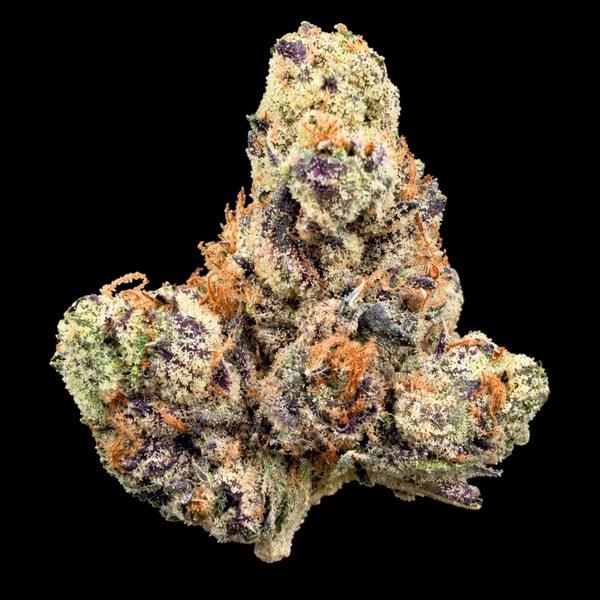
Lit Farms sells the same strains in different grades, and its product pages explain them. According to the brand, the three quality tiers are:
| Tier | What Lit Farms says | What to check on the COA |
|---|---|---|
| Supreme | Hand-selected top-shelf buds with the densest structure, highest trichome coverage and strongest terpene expression | Terpene total and cannabinoid profile |
| Preferred | Premium-grade flower at a balanced price, with the same genetics and cultivation and a slightly broader bud selection | Batch number matches the tier you ordered |
| Essential | The value tier, using the same strain and lab testing with smaller or more uniform buds | Same test panel as the other tiers |
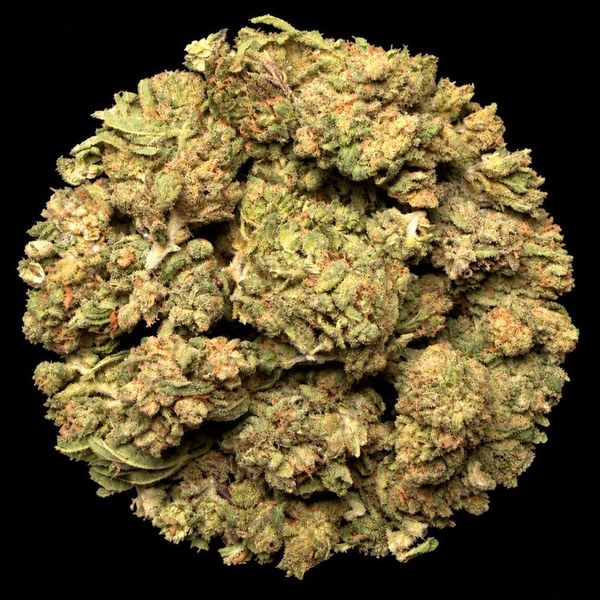
The site also sells smaller cuts labelled Smalls, which it presents as a lower-cost way to buy the same strain. The brand’s claim is that tier changes the appearance of the flower rather than the lab testing, so the COA is where you confirm that the test panel is the same.
Red Flags When Checking Any COA
- No batch number: a generic report that could belong to any product.
- Old test dates: an out-of-date report may not describe the batch you have.
- Missing contaminant tests: a report with potency data only is incomplete.
- No lab name or way to verify it: if you cannot trace the lab, treat the document with caution.
- Numbers that look too perfect: clear, plausible results with a verifiable source are more reassuring.
Restrictions and Practical Notes From the Brand
Lit Farms lists a number of limits on its pages, and they are worth reading before you consider an order of any kind:
- It does not ship to Alabama, Arkansas, Colorado, Hawaii, Idaho, Kansas, Louisiana, Washington, Oklahoma, Oregon, Rhode Island, Utah, Minnesota, California, New Jersey, Nevada or Vermont.
- Products are for adults aged 21 and over, and the site warns that THC could result in a failed drug test.
- The site carries FDA disclaimers, and says its statements have not been evaluated by the FDA.
- Free shipping is offered on orders of $125 or more, according to the product pages.
- The brand warns about imposters, saying it does not make sales over social media.
If you are in an eligible US state and over 21, the sensible order of operations is to check your local rules first, then read the COA for the exact batch, and only then decide. You can browse the Lit Farms range to see how the documentation appears on the product pages.
Visit Lit Farms to View the COAs
Information was taken from the Lit Farms website on 25 October 2026. Statements about testing, tiers and compliance are the brand’s own. This article is not legal, medical or purchasing advice, and THC products are controlled in the UK.
