
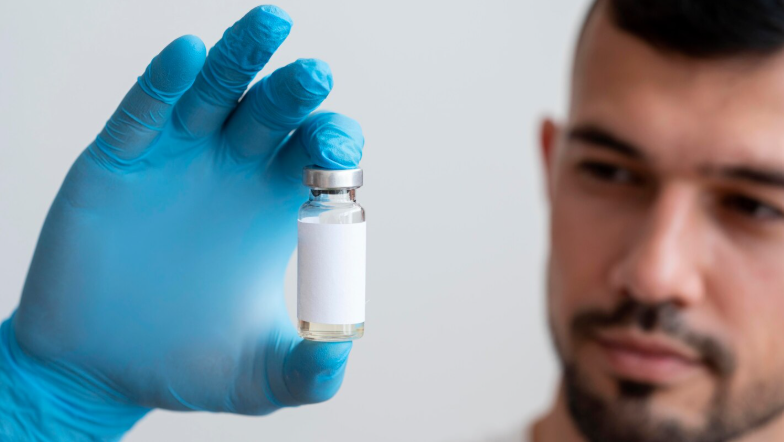
The same peptide sequence can be contained in two different vials, which are still like two alien objects. One of those vials would be a standard reagent used in cell cultures, while the other would be an FDA-approved drug administered by a doctor to patients. Meanwhile, the chemical formula looks the same on paper. However, when it comes to their origin, production process, and possible applications, there is no similarity.
Two Different Categories, Not Two Tiers of the Same Thing
Many of us feel tempted to view research peptides and clinical-grade peptides as a more affordable version of the other. Actually, this point of view indicates a misconception about both kinds of products. These two types of peptides might have entirely different purposes, making their production processes different.
Research peptides are created for laboratory purposes such as in-vitro studies, cell culture tests, and laboratory experiments. Meanwhile, clinical-grade or pharmaceutical-grade peptides are created specifically for use by humans under medical care, being fully compliant with regulations.
The Purity Gap Is Real, Not Just Paperwork
Research-grade peptides show purities in the range of 95 to 98%, which is confirmed by HPLC analysis. Pharmaceutical-grade peptides must achieve purities of over 99%, with each impurity above 0.1% quantified and distinguished.
This difference is seemingly small in numerical terms; it is just a couple of percentage points. However, Ghent University studies suggest that even low purities, within 2 to 5%, can have an impact on the biological activity of a peptide in various tissue assays. Thus, that “small” figure is more than just a number; it is a marker that may influence the functioning of the compound in living tissues.
Example of high purity research peptide in the UK – All you need to know, explore Tesamorelin 20mg peptide.
Manufacturing Standards Aren’t Optional at the Clinical Level
Pharmaceutical-grade peptides are made in plants that adhere to GMP (Good Manufacturing Practices). GMP isn’t just a label; it refers to a manufacturing process where every step is monitored and regulated.
With research-grade peptides, this is not the case. While research-grade peptides can also be made carefully in the lab, they do not carry a stamp of approval from GMP. This means that a supplier can refer to their product as pharmaceutical grade but with no GMP certificate behind it; the term will be meaningless.
Sterility Is a Line Research Peptides Don’t Cross
This is among the most obvious practical distinctions in practice. But research peptides are still not sterile products. Rather than being supplied in a sterile form, research peptides are provided to their clients in lyophilized powder form, which would have to be reconstituted in a laboratory.
In contrast to it, pharmaceutical-grade injectable peptides must be sterile and undergo rigorous testing for bacterial endotoxins, particulate matter, and the performance of their packaging systems. Testing takes place because these items are administered to a human body in a health institution, where the risk of contamination exists.
The Legal Line Is Clear, Even If the Products Look Similar
The phrase “research use only” concerning research-grade peptides has a deeper meaning than just a warning. It also means that there is no legal way for human use. The issue of the use of these peptides for official purposes is not vague in nature but rather a crime against the FDA rules.
The Bottom Line
The distinction between research peptides and clinical-grade peptides isn’t that one is merely a weaker variant of the other; rather, it’s about their objectives, regulation, and legal status. The primary step towards the safe use of either of these types of peptides is knowing which one belongs to which category and why it is so.
